



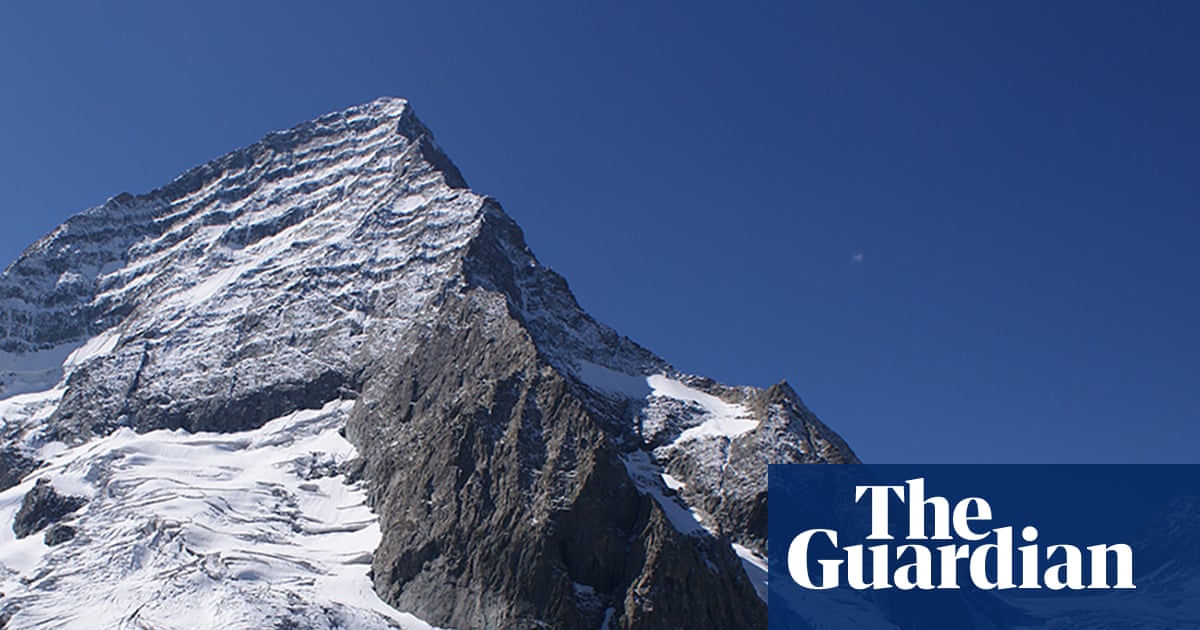
The Kolahoi Glacier, visible from Pahalgam in the western Himalayas, has significantly receded, impacting local ecosystems and livelihoods. Once a crucial source of meltwater for agriculture and wildlife, its reduction has led to barren landscapes and altered biodiversity. Alpine flowers bloom prematurely, and wildlife, such as musk deer and snow leopards, are losing habitats and facing food shortages, pushing them closer to human settlements.
Scientific assessments indicate that Kolahoi has diminished by nearly a quarter in the last 60 years, with agricultural land in the region declining due to reduced water availability. The glacier’s retreat affects river flow, crucial for irrigation and pasturelands, presenting challenges for local farmers who struggle with water scarcity and crop irrigation. Temperatures rise and pollution exacerbate the melting, while human activities such as deforestation and tourism worsen the situation.
Experts warn that if current climate trends continue, up to 70% of the region’s glaciers could vanish by century’s end, drastically altering ecosystems and habitat availability for species like the Hangul deer. The loss of glaciers brings cascading effects on water systems and biodiversity, threatening both wildlife and human communities. This scenario reflects broader trends in the Himalayas, highlighting the interconnectedness of climate, water resources, and living organisms in the region.
Source link
