



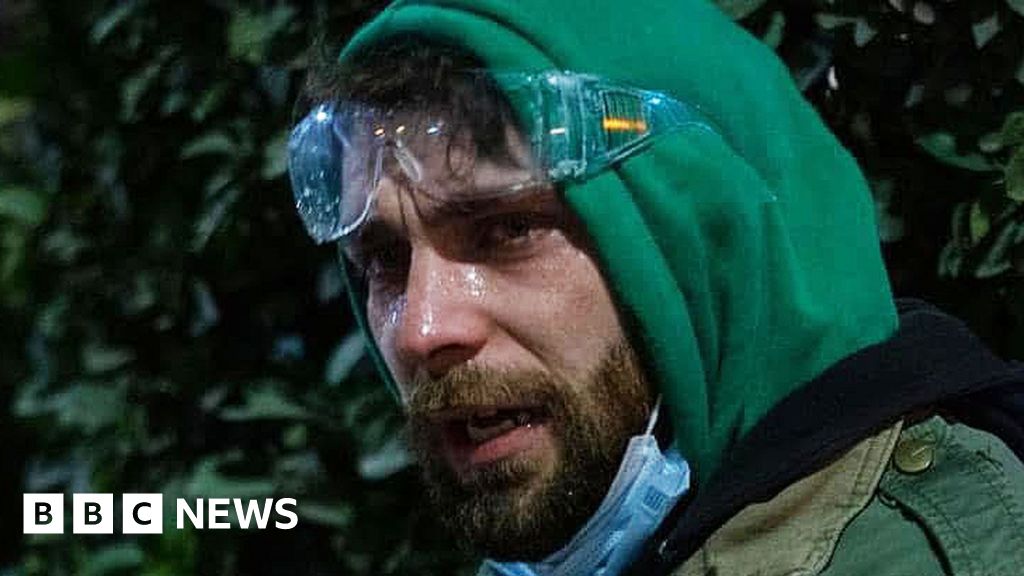
The BBC reports that Georgian authorities used potentially harmful, World War I-era chemical weapons to suppress anti-government protests in Tbilisi, leading to long-term health symptoms among demonstrators. Protesters opposed the government’s halt to EU accession talks, with individuals claiming to experience burning sensations, respiratory issues, and vomiting after exposure to water cannon sprays. Dr. Konstantin Chaknashvili, who studied the protesters’ health effects, found many reported symptoms persisting for over 30 days. His research suggests water cannons potentially contained a substance called Kamite, a chemical used in WWI, rather than standard tear gas.
Former officials, including a whistleblower from Georgia’s riot police, confirmed tests on the chemical used in water cannons were conducted, noting it caused severe respiratory distress and did not wash off easily. Experts, including Dr. Chaknashvili and pharmacologist Christopher Holstege, indicated that the symptoms align with exposure to Kamite, which has no modern use due to its dangerous effects.
Internationally, these findings have raised concerns about human rights violations, with UN officials calling for investigations into the chemical weapon’s use, which could breach regulations on crowd control measures. The Georgian government dismissed the BBC’s findings, arguing that police actions were lawful in response to protest actions. Protests continue in Tbilisi, reflecting ongoing discontent with the government and its alleged ties to Russian interests.
Source link
