



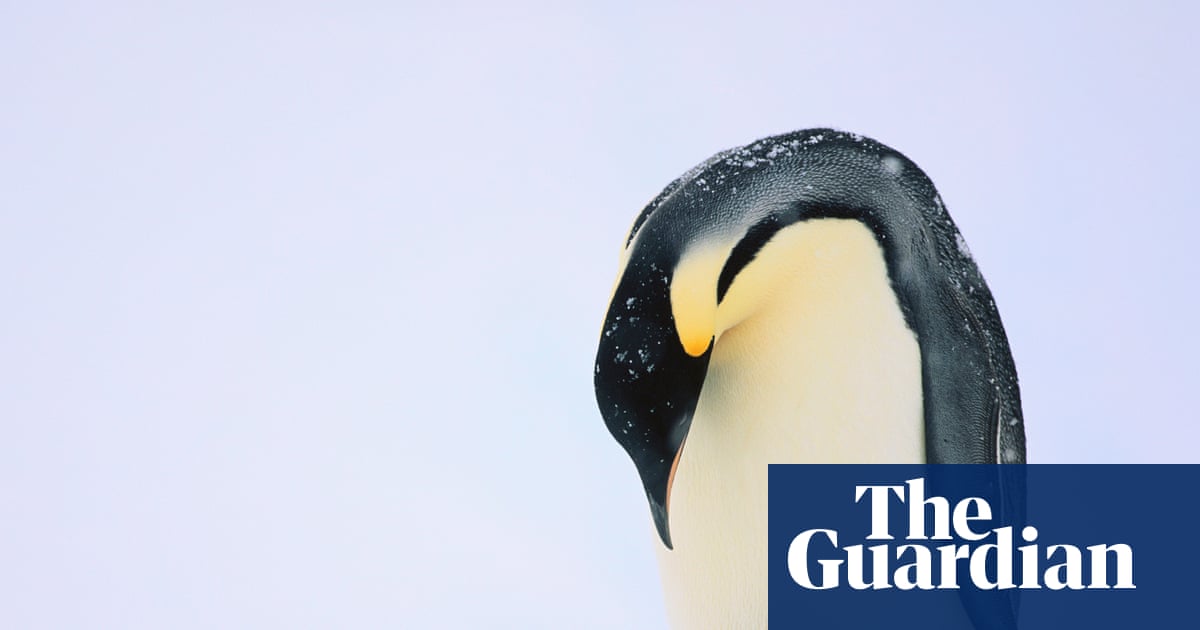
The International Union for Conservation of Nature (IUCN) has officially classified emperor penguins as endangered due to mass drownings of chicks caused by climate-related melting of sea ice. These penguins depend on stable ice for hatching and nurturing their young, with significant declines in Antarctic sea ice recorded since 2016. Four of the five known breeding sites in the Bellingshausen Sea collapsed in 2022, leading to the loss of thousands of chicks. The emperor penguin population, currently at approximately 595,000 adults, has already seen a 10% decline between 2009 and 2018 and is projected to halve by the 2080s due to continued ice loss.
In addition to emperor penguins, the assessment revealed that Antarctic fur seals have halved in population since 2000, primarily due to climate change and a decline in krill, their main food source. Both species are now categorized as endangered. Experts warn that human-induced climate change is accelerating the extinction crisis, emphasizing the urgent need for governments to decarbonize their economies.
Additionally, southern elephant seals are now vulnerable due to an avian influenza outbreak affecting major subpopulations. Conservationists advocate for stronger protections for these and other species at risk, urging immediate action to mitigate climate impacts.
Source link
