



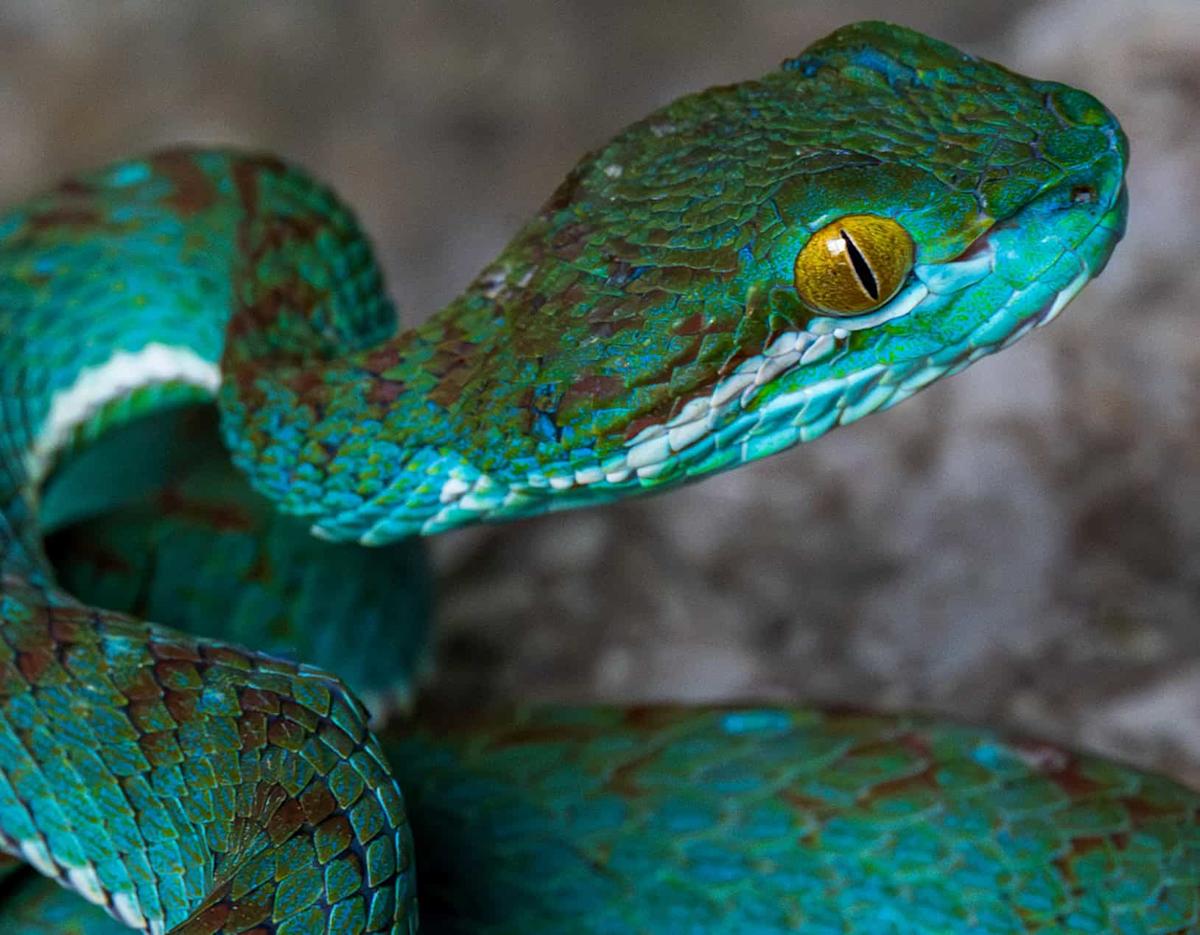
A recent survey in Phnom Pranpi, Battambang, Cambodia, has led to the discovery of a new species of pit viper, belonging to the genus Trimeresurus, characterized by its striking turquoise color and heat-sensitive nostrils for hunting warm-blooded prey. This finding is part of a larger multi-year study focused on the biodiversity of the limestone karst ecosystems in the region, which has yielded at least 11 new species, including unique geckos and small snails.
The researchers explored 64 caves across 10 limestone hills, revealing a rich variety of life adapted to isolated environments. The unique geological formations function like biological islands, fostering the evolution of endemic species. However, these fragile habitats face significant threats from limestone mining, agricultural expansion, and poaching, putting these newly discovered species at risk of extinction.
Collaboration with local communities has been essential in uncovering these hidden ecosystems, as they have shared their deep knowledge of the area. Conservationists emphasize the urgent need to protect these ecological treasures, as economic pressures threaten their survival. The ongoing research aims to secure natural heritage status for these landscapes to promote environmental preservation and safeguard the newfound species before they can be formally documented.
Source link
