



Wars and revolutions have historically threatened cultural heritage, with recent examples in Iran and Ukraine, and now climate change poses a new risk. UNESCO reports that 80% of World Heritage Sites are experiencing climate stress, with damage from extreme weather conditions like erosion and drought.
Key Vulnerable Sites:
-
Ziggurat of Ur, Iraq: This ancient temple faces severe erosion from rising temperatures, causing the ground to shift and salt deposits to damage its structure. Experts warn these conditions could lead to a complete collapse of mud-brick buildings.
-
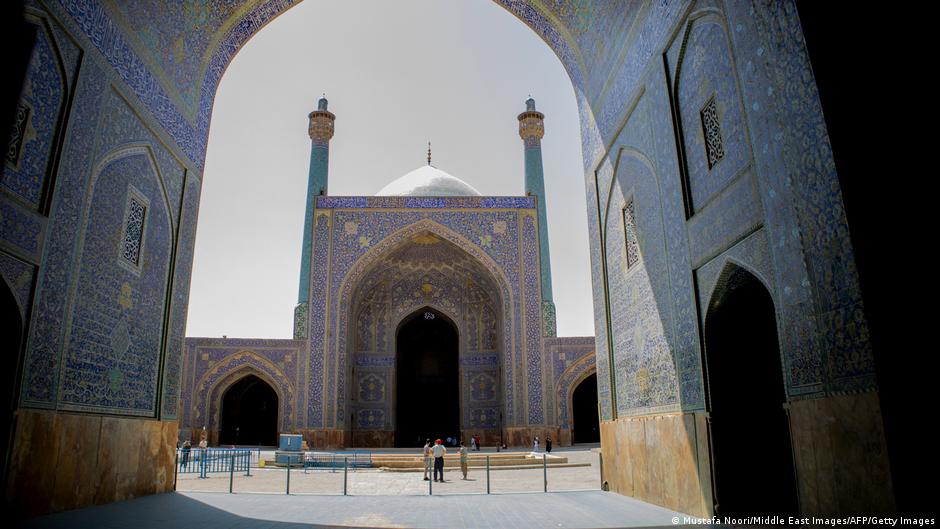
Isfahan, Iran: The Masjed-e-Jameh Mosque and the Imam Mosque are endangered due to both war and climate change. Land subsidence from groundwater over-extraction and increasing temperatures have led to structural cracks, threatening their integrity.
-
Moai Statues, Easter Island: These iconic statues face the risk of submersion due to rising sea levels and extreme weather, threatening local culture and tourism.
- Great Wall of China: This architectural marvel is eroding rapidly due to climate-related weather changes, with only 6% remaining in good condition. Researchers are advocating for immediate protective measures.
These examples illustrate the critical need for urgent action to preserve these irreplaceable cultural heritages against the dual threats of conflict and climate change.
