



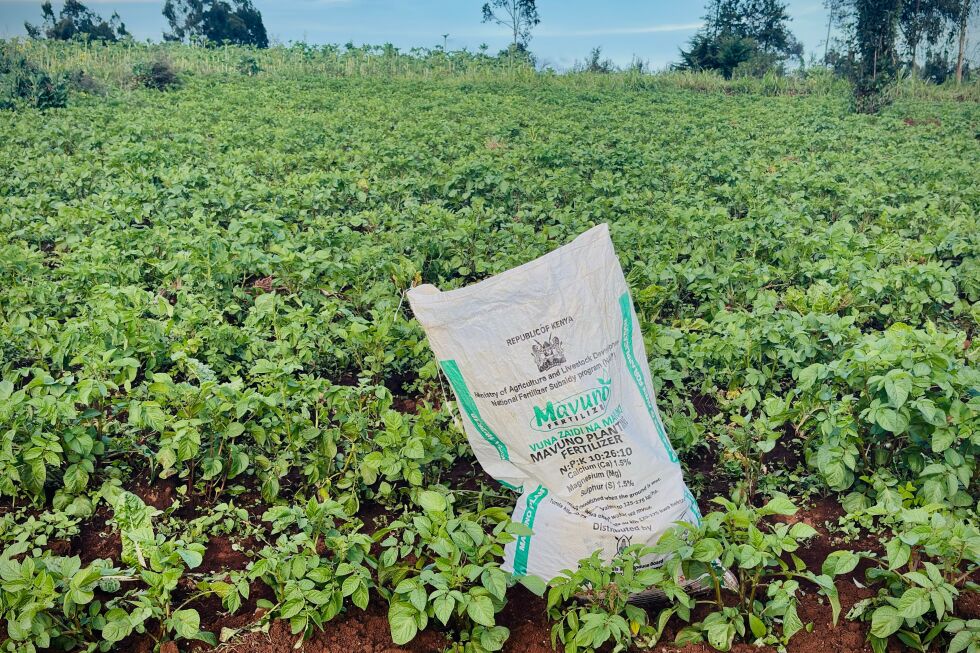
Farmers globally are struggling due to ongoing tension in the Middle East, particularly related to the Iran war, which has led to soaring gas prices and fertilizer shortages. The closure of Tehran’s oil facilities and restrictions through the Strait of Hormuz have significantly impacted fertilizer supplies, threatening crop yields and raising food prices, especially in developing nations that depend on imports.
As planting season arrives, the situation is dire, with many farmers facing food insecurity. For example, rice farmers in India’s Punjab state are anxious about fertilizer availability and government subsidies. The conflict has already limited around 30% of global urea trade, putting pressure on essential nutrients like nitrogen and phosphate.
Countries like Ethiopia, which relies heavily on imports for fertilizer, will likely suffer severe shortages. Meanwhile, major fertilizer-producing nations such as China and Russia are prioritizing domestic needs, which complicates global supply further.
In Africa, farmers are already feeling the burden of high prices and diminished yields as critical planting times approach. To mitigate the crisis, experts suggest governments intervene with subsidies and promote local production. However, reliance on imported fertilizers poses risks, making sustainable practices more critical for long-term agricultural stability.
Source link
