



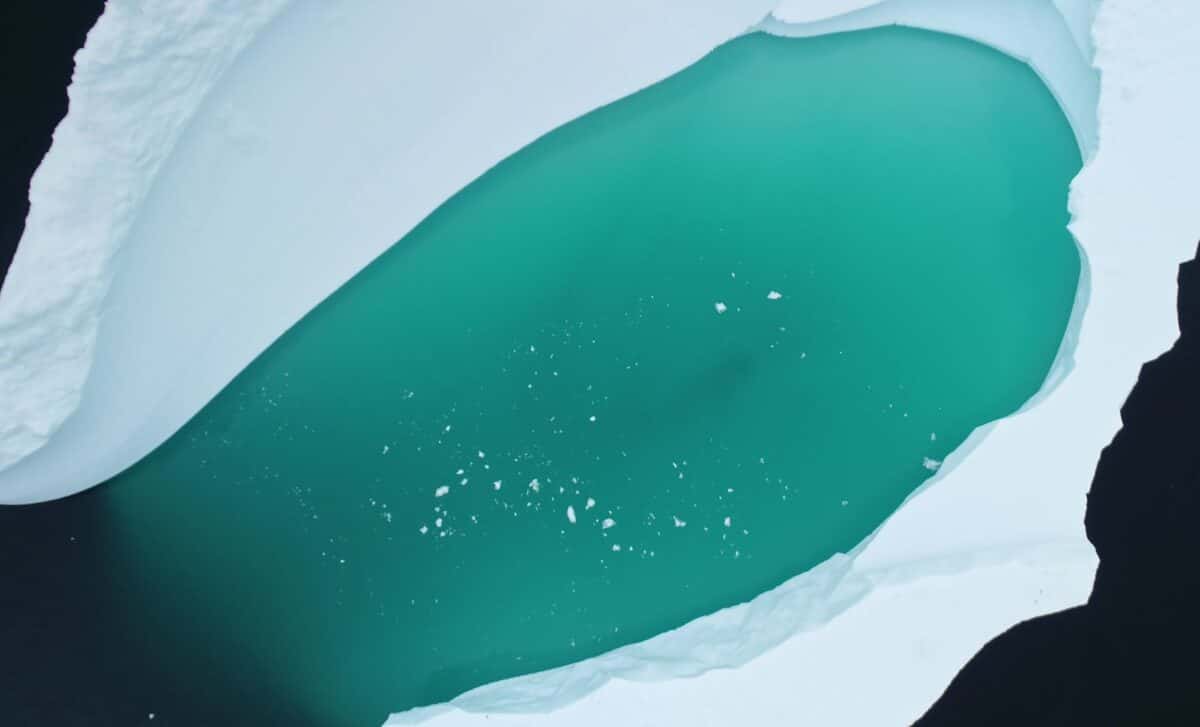
In early March, satellite images from the European Space Agency’s Copernicus mission revealed unexpected “green ice” in Antarctica, prompting scientific investigation into its causes. This unusual color change is linked to the growth of phytoplankton, tiny organisms that thrive when sunlight returns as the polar night ends, signaling spring’s arrival.
Phytoplankton play a crucial role in the ocean’s food chain through photosynthesis and nutrient cycling. As ice melts, nutrients are released, creating ideal conditions for their bloom. This phenomenon is part of the region’s natural cycle, indicating a healthy ocean ecosystem.
The Copernicus satellites, including Sentinel 2 and Sentinel 3, enable scientists to monitor these changes remotely, even in hard-to-reach areas. The imagery assists in tracking how phytoplankton spreads around Antarctica, enhancing understanding of the marine ecosystem and its responses to environmental shifts.
While the green ice might seem concerning, it actually reflects a balanced ecosystem, crucial for supporting various species, including fish and krill. The presence of phytoplankton underscores the importance of monitoring such ecosystems, as even minor changes can significantly impact global biodiversity.
Source link
