



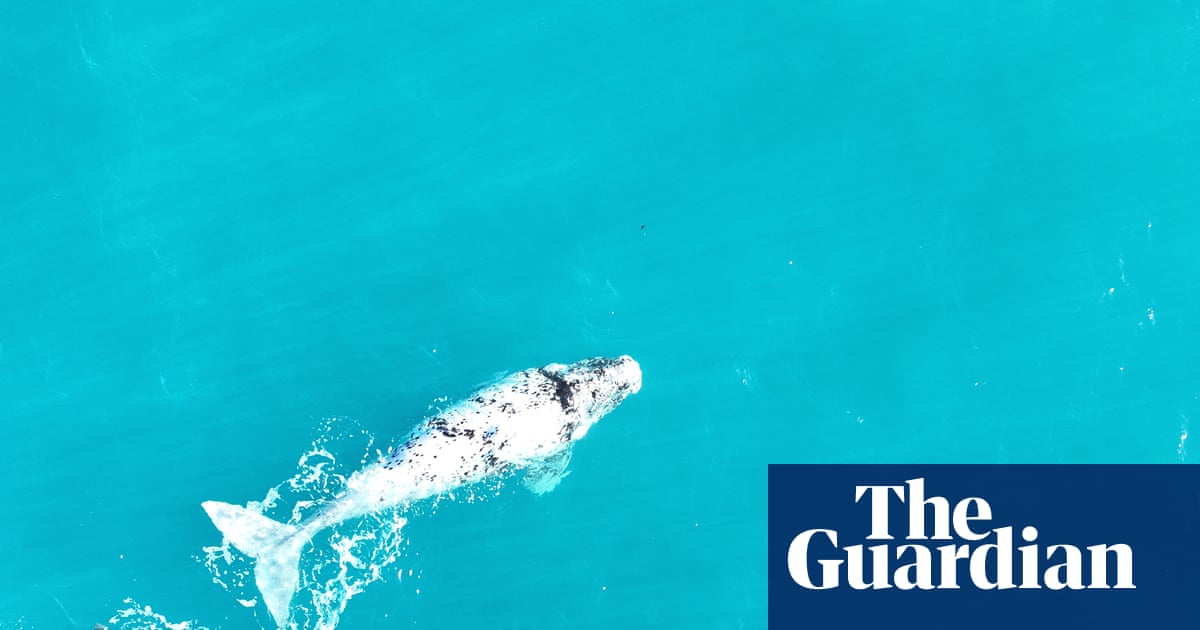
Southern right whales, once near extinction due to commercial whaling, are now facing declines in reproductive rates, raising alarms about climate-induced changes in the Southern Ocean. A study revealed that since 2017, these whales are giving birth every four to five years instead of the usual three-year cycle. This decline is linked to warming oceans, melting sea ice, and altered foraging conditions in Antarctica and sub-Antarctic regions.
Marine biologist Dr. Claire Charlton noted that long-term monitoring has used photo identification to track the whales’ behavior in the Great Australian Bight. The research showed correlations between reproductive rates and various climate factors, with similar trends observed in southern right whale populations in South America and South Africa, as well as in other predators dependent on krill.
Experts emphasize the urgency of coordinated conservation efforts in light of these findings, with Dr. Vanessa Pilotta highlighting the importance of long-term data to understand how these whales adapt to changing environments. Currently, Australia’s southern right whale population is around 2,346 to 3,940 individuals, just 16% to 26% of pre-whaling levels.
Source link
