



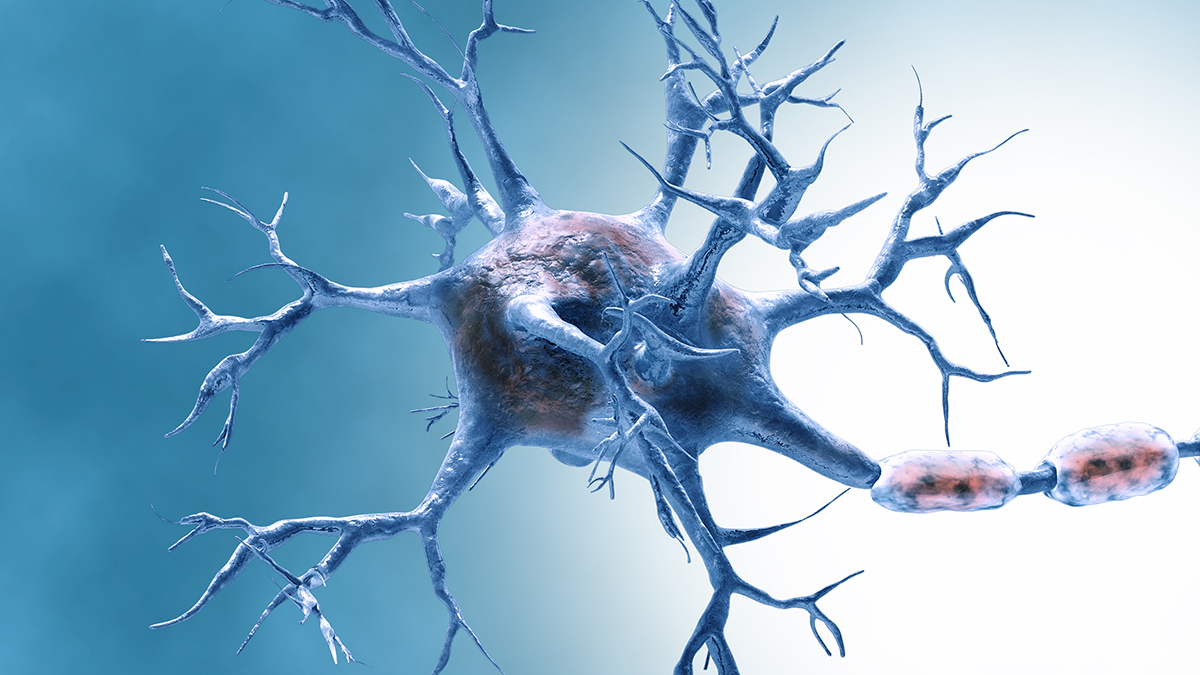
Researchers have found a mechanism that may help slow the age-related decline in neuron production. As we age, neural stem cells (NSCs) become dormant due to telomere wear, which impairs their ability to produce new neurons and affects cognitive function. A study from the National University of Singapore (NUS) examined the role of a protein called cyclin D-binding myb-like transcription factor 1 (DMTF1) in NSC activity.
DMTF1, abundant in young brains, promotes NSC growth and division, potentially restoring neuron production. While shorter telomeres reduce DMTF1 levels, artificially increasing DMTF1 does not change telomere length but activates helper genes like Arid2 and Ss18, which support cell growth.
Although this breakthrough offers hope for reversing some aging effects in the brain, it remains to be tested further in animal models. Future research could explore DMTF1’s potential in improving learning and memory. However, cautious approaches are needed, as excessive cell proliferation could lead to tumors.
This study contributes to the broader understanding of brain aging and the mechanisms that might combat cognitive decline, while emphasizing that lifestyle factors, such as diet and exercise, also play significant roles. The findings were published in Science Advances.
