



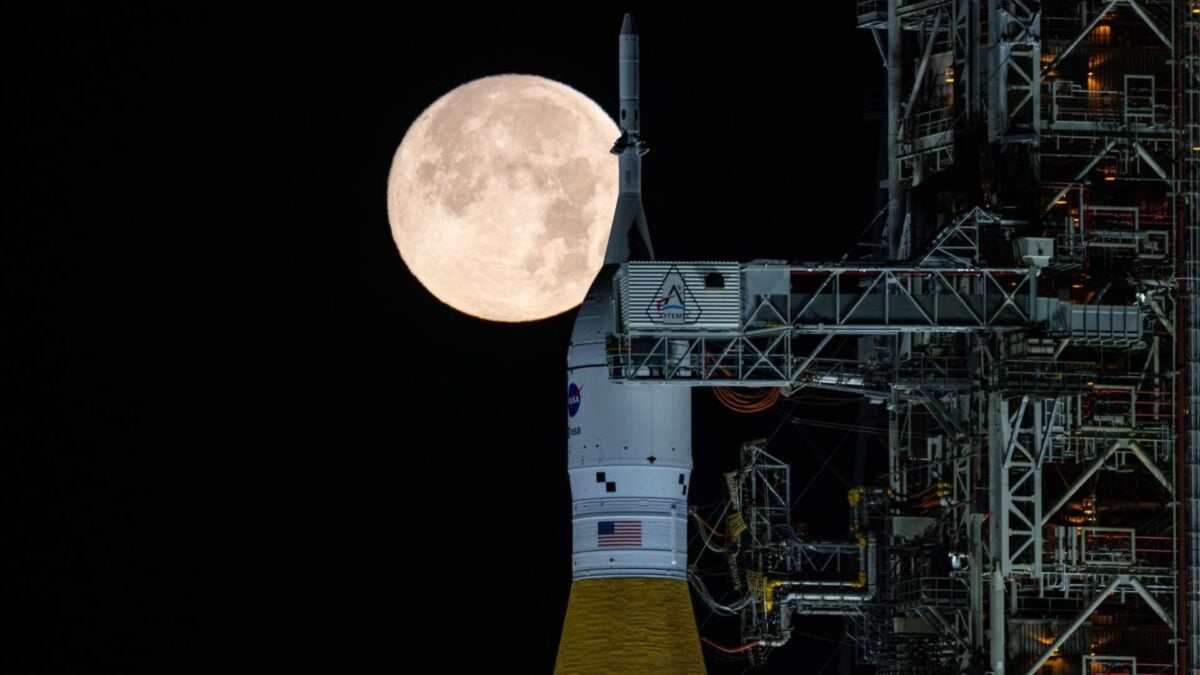
During preparations for NASA’s Artemis 1 mission in 2022, hydrogen leaks caused significant delays, leading to the launch’s cancellation. A recent wet dress rehearsal for Artemis 2 faced similar issues, with a hydrogen leak detected in one of the mobile launcher’s tail service mast umbilicals during a refueling test. Despite spending three years addressing the Space Launch System (SLS) rocket’s hardware problems, this leak reoccurred.
NASA replaced two seals in the affected mast, but the persistence of these issues raises questions. Liquid hydrogen is a challenging fuel due to its small molecular size and extremely low temperatures, which can make hardware brittle and prone to leaks. Despite these difficulties, hydrogen offers high energy efficiency, making it a staple since the Space Shuttle era.
The SLS shares design elements with the Shuttle, so encountering similar problems isn’t surprising. However, with Artemis 1 being the only launch thus far, the SLS program remains in its early stages. The Artemis 2 rehearsal was largely successful compared to Artemis 1’s troubled testing, as engineers fully loaded both rocket stages on their first attempt.
Lori Glaze from NASA highlighted the lessons learned from Artemis 1 that were applied in this rehearsal. NASA is now analyzing the removed seals to determine the leak’s root cause and plans further tests before the next rehearsal. If resolved, Artemis 2 could potentially launch as early as March 6, marking its first crewed flight. The upcoming mission is crucial for evaluating NASA’s SLS program and demonstrating whether the lessons from Artemis 1 have been effectively implemented.
Source link
