



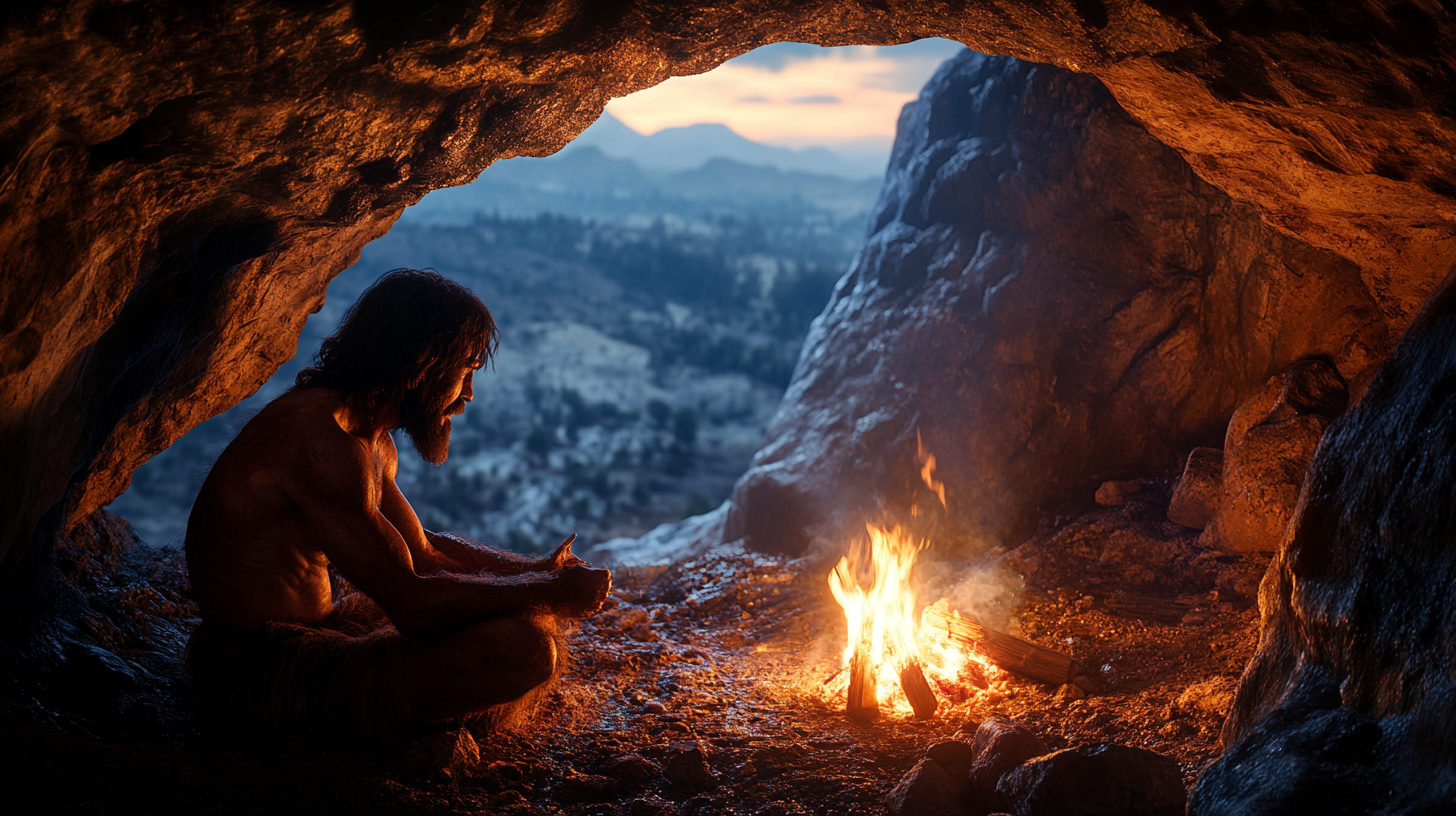
Recent research has revealed that some Neanderthal populations, like those in Mandolin Cave in France, lived in complete genetic and social isolation for over 50,000 years. The discovery of a Neanderthal named Thorin, who lived during this period, showcased a “ghost lineage,” indicating that these groups were more fragmented than previously thought.
Thorin’s remains, including skull and teeth, were dated to around 50,000 years ago and showed that his population had not interbred with others for millennia. Despite residing near other Neanderthals, they remained culturally conservative, avoiding new technologies and trade, which may have contributed to their isolation.
This research suggests that Neanderthal extinction was influenced not just by external pressures like climate change and competition with modern humans, but also by internal factors, including social barriers preventing interbreeding. Each isolated Neanderthal group faced distinct challenges, including inbreeding and environmental changes.
In summary, Thorin’s lineage highlights the complexity of Neanderthal history, indicating that their eventual extinction was a multifaceted process rather than a single event.
Source link
