



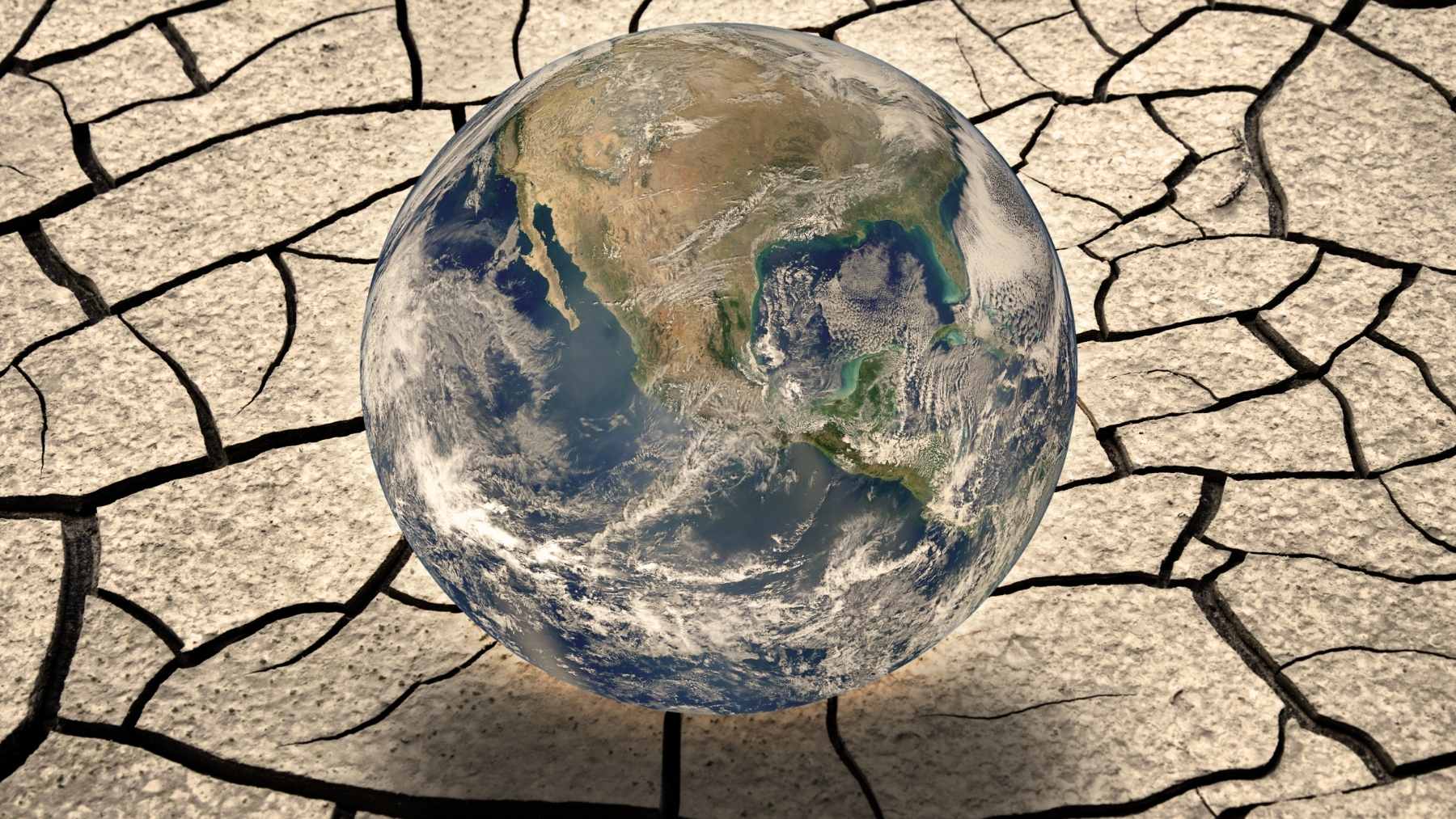
A recent study in Nature Communications sheds light on the emerging threat of "day zero droughts" (DZDs), where cities run out of water due to prolonged droughts combined with rising demand and dwindling reservoirs. Researchers used climate simulations to predict that by 2100, nearly 75% of drought-prone areas could face severe water scarcity due to climate change.
The study draws on the 2018 crisis in Cape Town, where reservoirs nearly ran dry after three years of low rainfall. Similar conditions are being seen in cities like Chennai and Los Angeles. Four main factors contribute to a DZD: prolonged drought, high temperatures, low river flows, and excessive water demand.
Key findings indicate that by 2030, regions across the Mediterranean, parts of Africa, North America, India, northern China, and southern Australia may experience DZD conditions. An estimated 753 million people, primarily urban residents, could be affected, with 196 million in Mediterranean urban areas alone.
An alarming trend noted is that in many hotspots, the duration of DZD events may exceed the time available for recovery, leading to repeated water restrictions and economic strain. The study emphasizes the importance of limiting global warming, as temperatures increase the likelihood of DZDs. Reducing emissions and improving water management strategies, such as rainwater harvesting and efficient reservoir management, are critical to mitigate these risks.
