



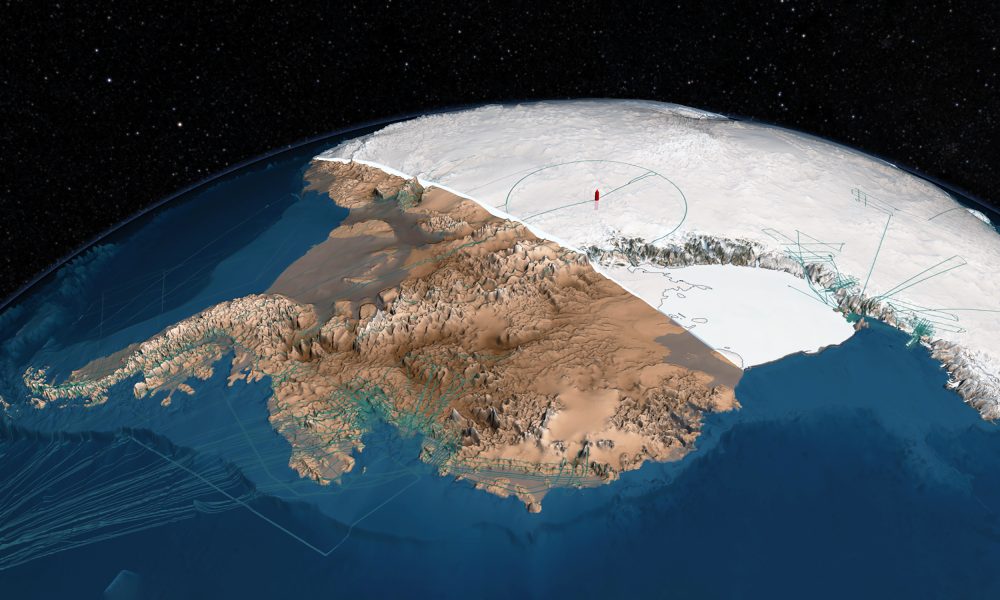
The article discusses the vulnerability of two fragile glaciers in Antarctica, Thwaites and Pine Island, which are critical to sea level rise projections. New research from offshore sediment samples in the Amundsen Sea reveals that these glaciers have a history of significant retreat and recovery during warmer periods, specifically during the Pliocene Epoch (5.3 to 2.58 million years ago) when temperatures were 3–4 °C higher and sea levels were over 15 meters higher than today.
The study, led by Professor Keiji Horikawa, utilized sediments to track glacier behavior; layers in the sediments indicate cycles of ice advance and retreat. When warm conditions prevailed, the glaciers would retreat far inland, releasing icebergs that contributed to sea level rise. The researchers identified 14 significant melting events and determined the source areas of glacier debris, indicating that ice had retreated deeply inland.
The findings suggest a cyclical pattern of ice behavior: stability during cold periods followed by rapid retreat during warming, and eventual glacial recovery. This historical data warns that current warming trends could push these glaciers past critical thresholds, potentially leading to significant sea level increases. While the past does not predict the exact future, it highlights the potential for quick climate responses in the Amundsen Sea area.
Source link
