



The article discusses the challenges of managing invasive species and protecting endangered species, particularly focusing on a 1997 initiative in Italy to eradicate invasive gray squirrels, which ultimately failed due to legal disputes instigated by activists. This setback allowed gray squirrels to expand their territory significantly, making control efforts more difficult and impacting local biodiversity, with red squirrels facing extinction.
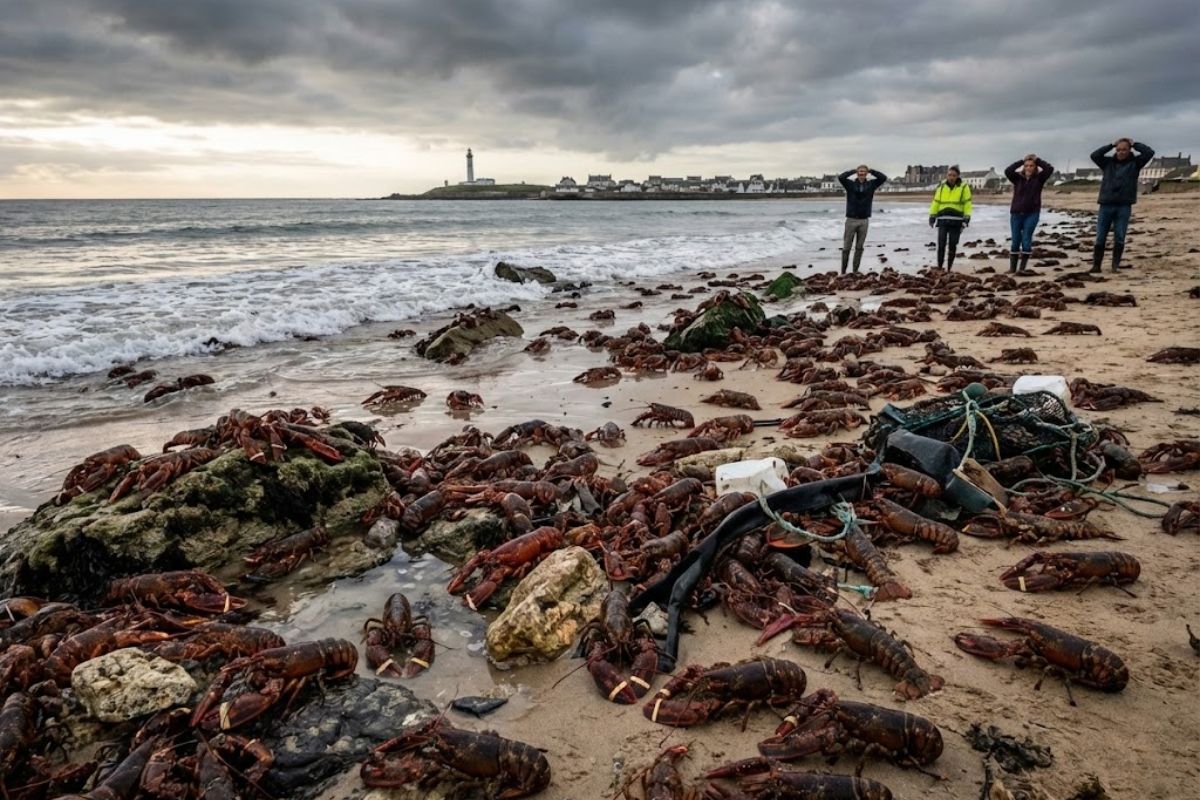
The piece highlights various incidents where emotional appeals led to poor decisions regarding invasive species, such as the release of lobsters in unsuitable environments, which resulted in ecological risks and additional costs for recovery efforts. It cites examples of invasive species like gray squirrels, marble crayfish, and mute swans to illustrate how their unchecked proliferation can harm ecosystems, agriculture, and local economies.
The article emphasizes that without expert-driven, coordinated action, the risks posed by invasive species only increase, potentially leading to irreversible ecological damage. It concludes by urging a balanced approach between individual compassion for animals and the need to prevent environmental collapse, advocating for informed and humane strategies in managing wildlife.
Source link
