



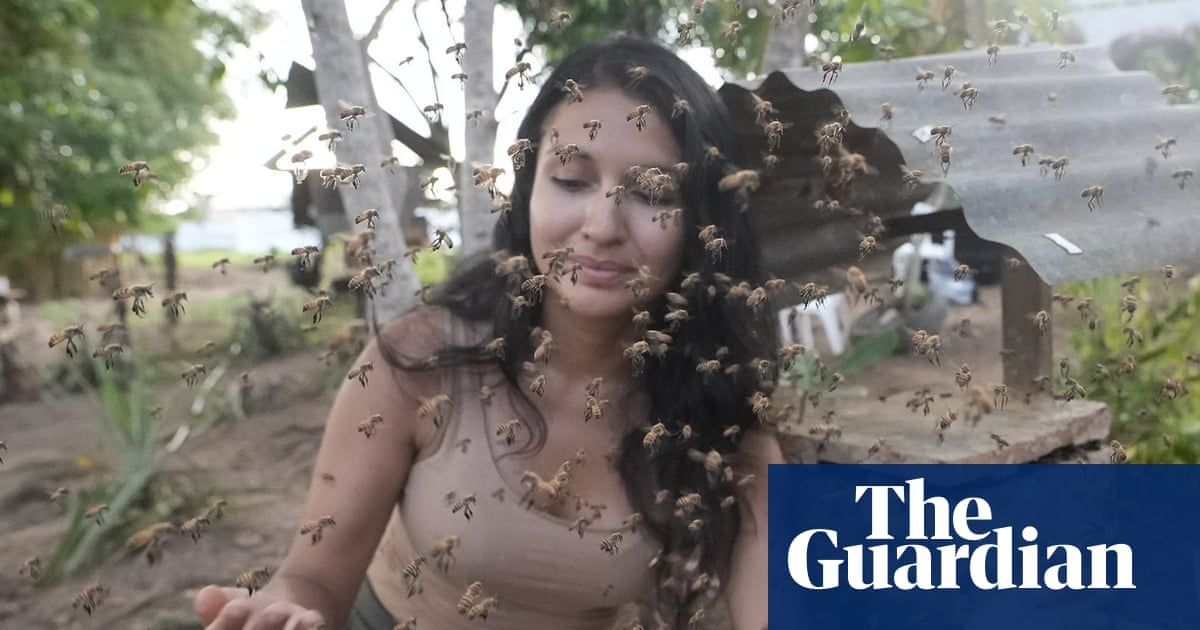
The Amazonian honey bee has gained legal rights in two regions of Peru, making it the first insect worldwide to be granted such protections. This move comes as a response to the threats these native, stingless bees face from climate change, deforestation, pesticides, and competition from European honey bees. Indigenous peoples have cultivated these bees for centuries, recognizing them as crucial pollinators that maintain biodiversity and ecosystem health.
Rosa Vázquez Espinosa, a chemical biologist, has been instrumental in this initiative, documenting the bees’ ecological roles and traditional harvesting methods among indigenous communities. Her research uncovered valuable medicinal compounds in the honey, as well as alarming pesticide residue even in remote areas. These findings highlight the declining bee population, prompting advocacy for their recognition in conservation efforts.
The Peruvian government passed a law officially recognizing the honey bees as endemic to the country, allowing them regulatory protection. Local ordinances now secure their right to thrive in healthy, pollution-free habitats, and empower them with legal representation if threatened.
This groundbreaking development has sparked interest in similar legal measures globally, as advocates seek to emphasize the ecological and cultural significance of honey bees. The new laws aim to foster policies for bee survival, incorporating habitat restoration, stricter pesticide regulations, and climate change adaptation efforts.
Source link
