



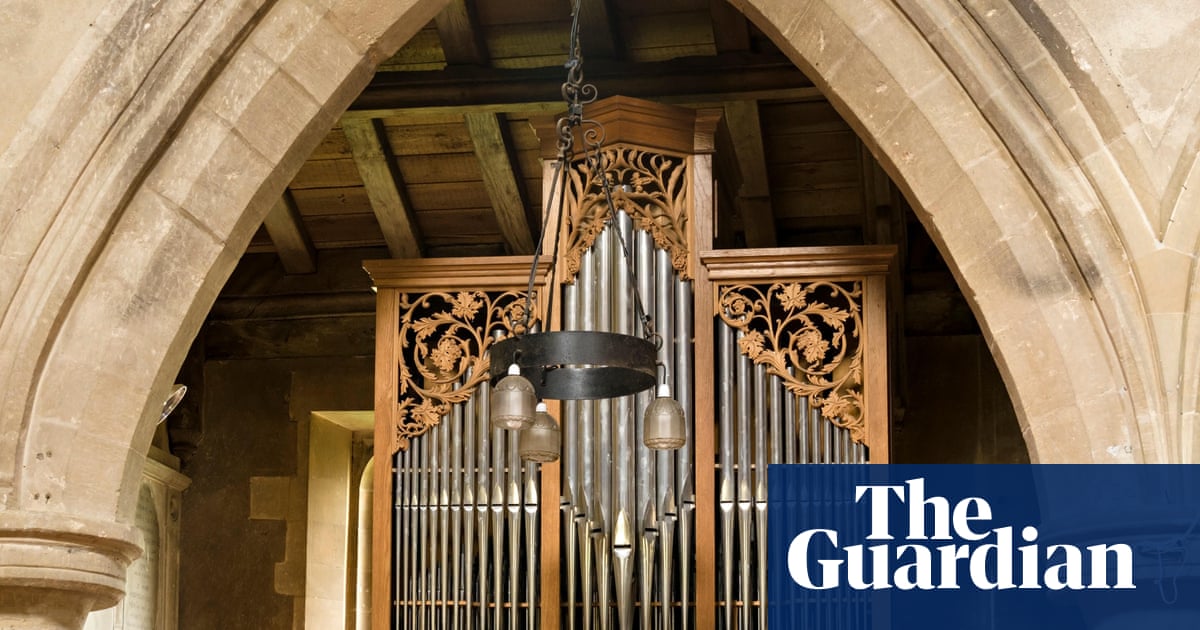
Yangang Xing and Andrew Knight, researchers at Nottingham Trent University, discovered the historical significance of organ tuning books while studying environmental changes in churches. Knight, who played the pipe organ in his youth, found that many organs contained notebooks detailing past tuning sessions, which often include observations about climate conditions like temperature and humidity—a critical aspect for tuning, as these factors can affect the instrument’s performance.
Their recent paper analyzes data from 18 organ tuning books in churches across London, Nottinghamshire, and Derbyshire, dating back to 1966. The findings reveal an increase in average indoor temperatures during both winter and summer months, attributable to improved heating and potentially indicative of climate change, with summer temperatures rising from 17.2°C in the 1960s to 19.8°C in the 2020s. Experts suggest that such records could provide valuable insights for climate research.
Temperature fluctuations can significantly affect organ performance, with even minor changes altering pitch. Additionally, humidity levels can complicate tuning, as seen in a tuner’s record mentioning difficulties linked to weather conditions. The researchers encouraged others with similar records to share them, hoping to deepen their analysis and further highlight the importance of these tuning books in understanding climate change effects on historical structures.
Source link
