



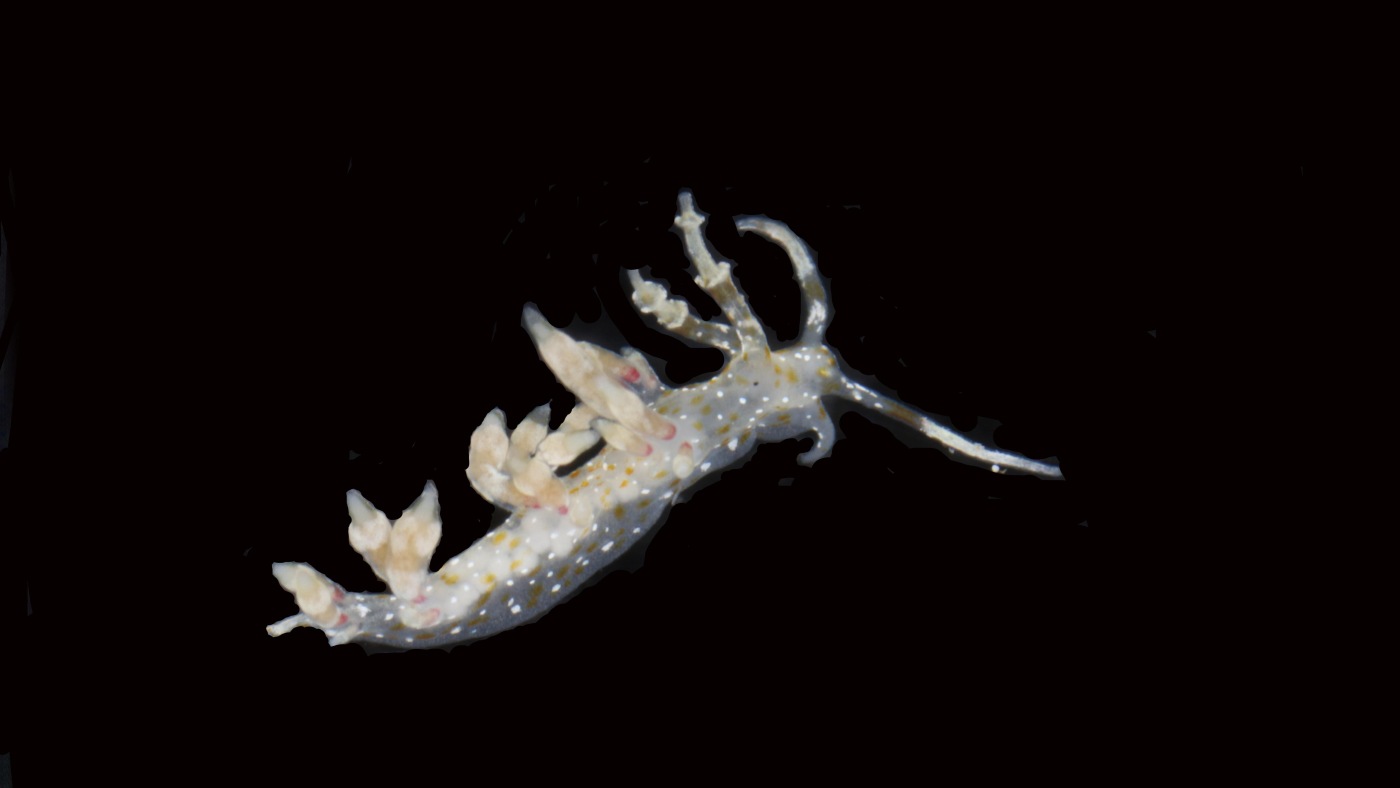
Scientists from the California Academy of Sciences have discovered at least 20 new species deep in the Pacific Ocean. This finding resulted from recovering 13 Autonomous Reef Monitoring Structures (ARMS) from Guam’s deep coral reefs, which had been collecting data since 2018. Over two weeks in November, researchers collected 2,000 specimens, identifying 100 species previously unknown in the area.
Luis Rocha, the ichthyology curator, noted that genetic analysis will confirm these potential new species, which might include crabs, sponges, and a new type of coral called gorgonians. The team studied the “Upper Twilight Zone,” between 180 and 330 feet deep, where visibility is limited. Rocha expressed excitement about finding adaptations in creatures such as hermit crabs that attach to bivalves instead of using shells.
He emphasized the importance of studying and protecting coral reefs, as they are vital habitats for countless species. The team is also embarking on a two-year expedition to deploy more ARMS across the Pacific, including in Palau and French Polynesia.
Source link
