



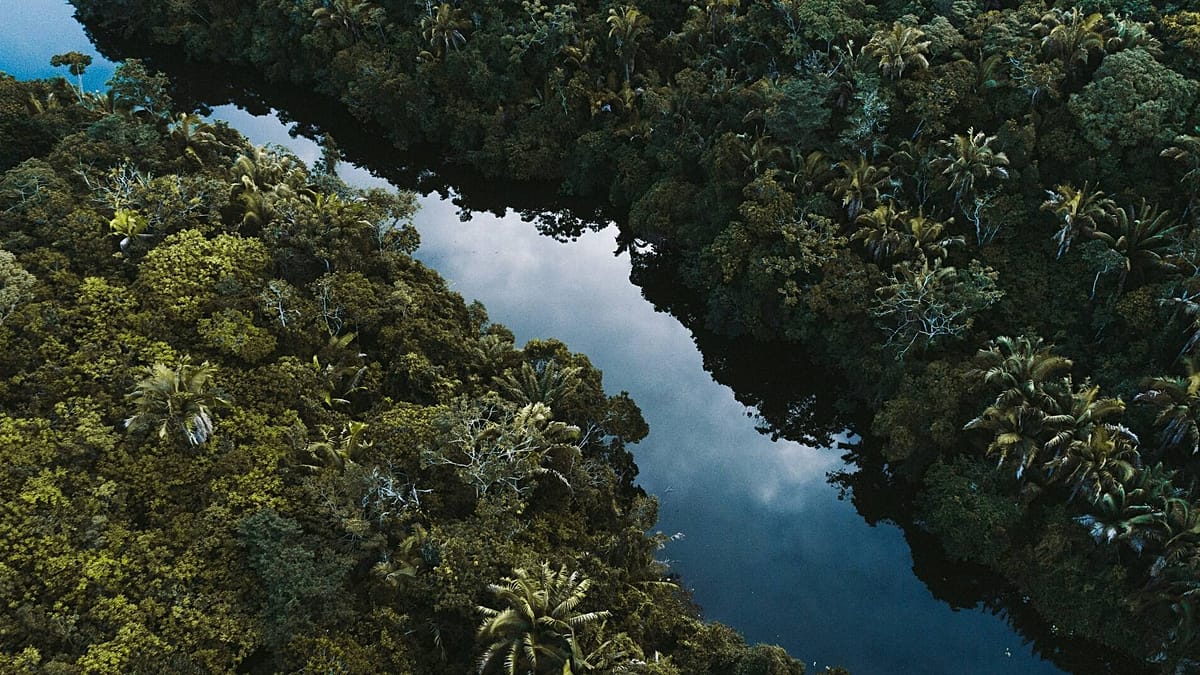
A recent study in the journal Nature reveals that the Amazon rainforest is nearing a "subtropical" climate, characterized by increased heat, dryness, and instability—conditions not seen on Earth for tens of millions of years. Researchers warn that without significant reductions in greenhouse gas emissions, the Amazon could experience up to 150 days of "hot drought" annually by 2100, even during peak rainy months.
Utilizing over 30 years of climatic data from central Brazil, scientists found that extreme droughts prompt trees to conserve water, affecting their ability to absorb carbon dioxide and facilitating blockages in water transport, akin to an embolism. Fast-growing tree species are particularly at risk, and increased mortality rates among trees could rise from over 1% to about 1.55% by 2100.
This emerging "temperate" climate could severely affect the Amazon’s carbon absorption capabilities, potentially accelerating global warming. Such changes are unprecedented and could also threaten rainforests in other regions, like West Africa and Southeast Asia, underscoring the urgent need for emission reductions to mitigate these impacts.
