



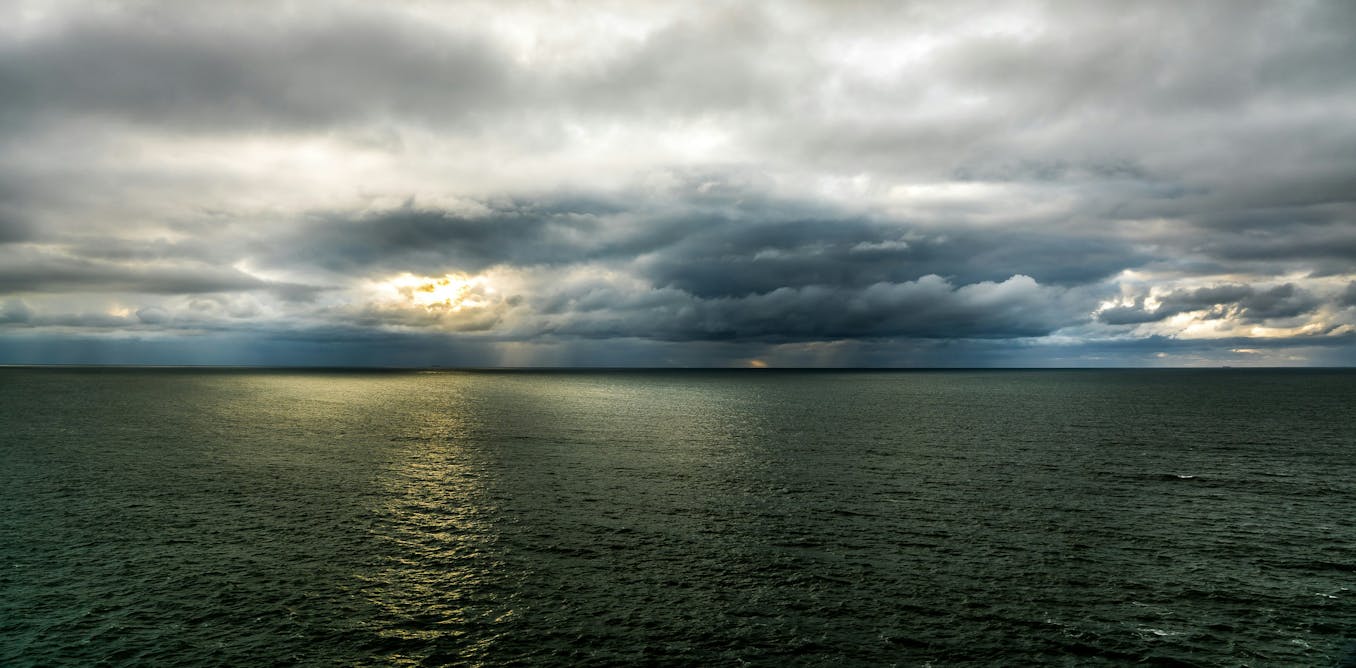
Macquarie Island, located between Tasmania and Antarctica, is a wildlife haven featuring elephant seals, king penguins, and albatross. However, the island is experiencing significant environmental changes. Research indicates that increasing rainfall is negatively impacting native flora, particularly iconic megaherbs like pleurophyllum and stilbocarpa.
Scientists have long suspected that these changes are due to intensified storm activity, and new findings published in Weather and Climate Dynamics confirm this trend. Rainfall on the island has surged by 28% since 1979, largely attributed to storms producing more intense precipitation. This contrasts with a smaller 8% increase observed in broader climate models.
The Southern Ocean plays a crucial role in global climate, absorbing significant amounts of heat and carbon dioxide. However, it remains one of the least studied areas, with Macquarie Island’s weather records offering valuable insights. The increasing precipitation alters ocean salinity and nutrient distribution, potentially affecting its role as a carbon sink.
Additionally, heightened rainfall promotes greater evaporation, which cools ocean temperatures—a trend noted to have made the Southern Ocean 10-15% cooler since 1979. These developments suggest that the Southern Ocean’s dynamics are changing more rapidly than previously understood, indicating broader implications for global climate systems and necessitating further research into their reach and impact.
