



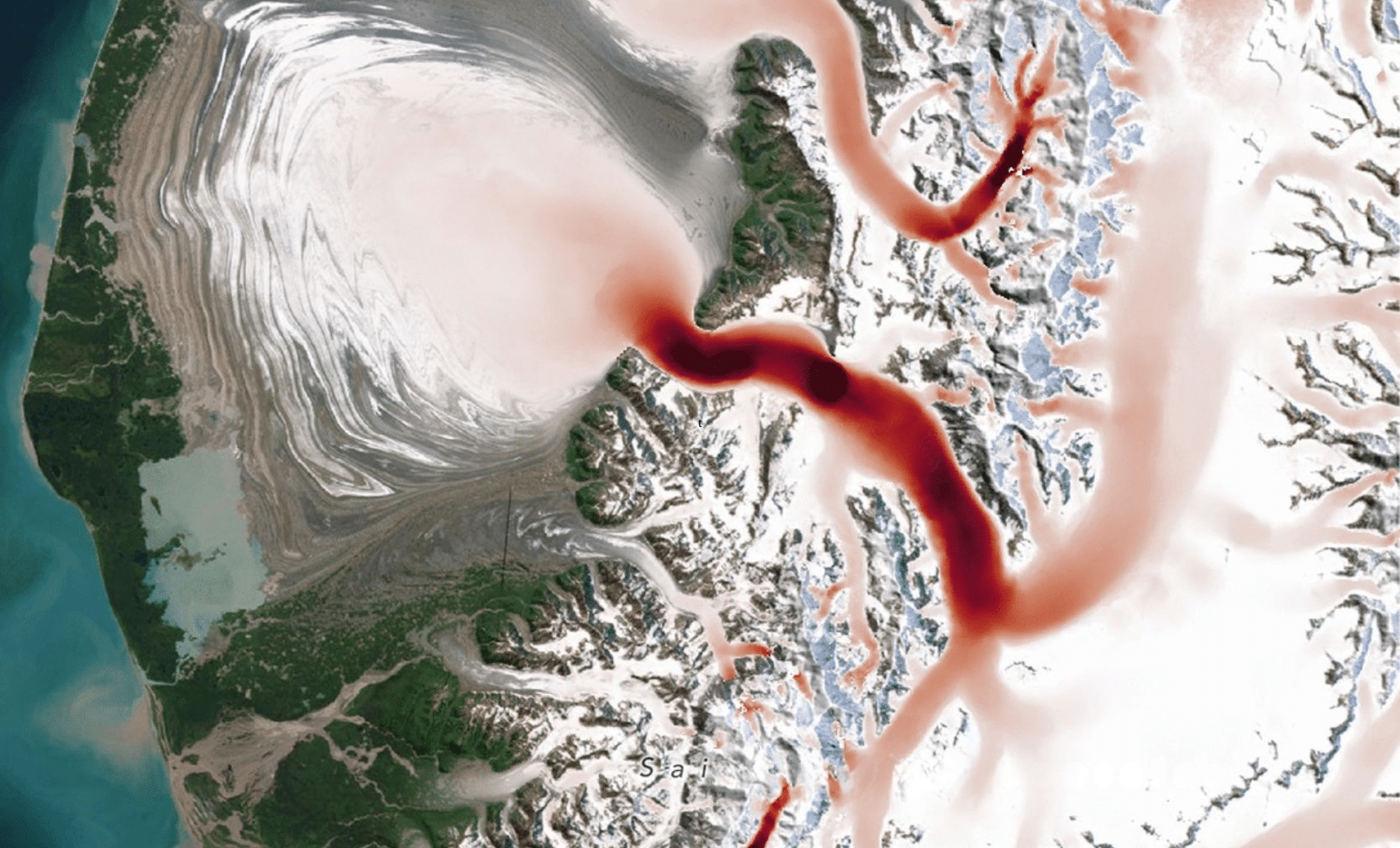
A recent study published in Science (November 2025) challenges the notion that glaciers are slow and stationary, revealing they exhibit dynamic seasonal fluctuations. The research utilized NASA satellite data from 2014 to 2022 to analyze global glacier behavior, showing that glaciers speed up and slow down in response to seasonal temperature changes.
Key findings include:
-
Seasonal Pulses: Glaciers experience "seasonal pulses" in movement, often accelerating in spring and summer due to the presence of meltwater. This meltwater reduces friction at the glacier’s base, allowing it to flow more quickly toward the ocean.
-
Geographic Variation: The study found distinct seasonal patterns based on geographic location. For instance, Malaspina Glacier in Alaska shows early spring acceleration, while glaciers in Arctic regions peak in late summer or autumn.
- Indicator of Glacier Health: Seasonal acceleration is linked to glacier health, with more rapid movement during warmer months indicating increased vulnerability to climate change.
NASA’s satellite technology allows for the monitoring of over 200,000 glaciers, providing comprehensive data on their responses to rising temperatures and aiding in understanding their future behavior in a changing climate. This insightful research underscores the importance of tracking glacier dynamics as an indicator of global environmental changes.
