



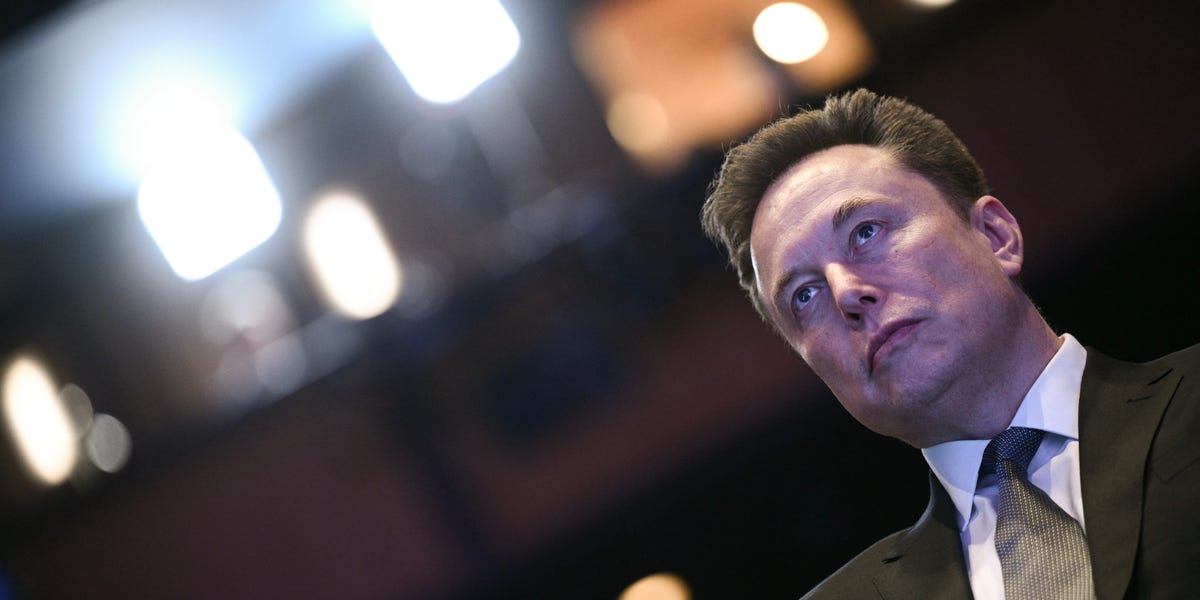
Elon Musk recently discussed the U.S. debt crisis, stating that productivity through AI and robotics is the key solution. He emphasized that this technological advancement could lead to significant deflation and suggested that AI might eventually enable a future where work becomes optional, resulting in a “universal high income.” Musk believes that within three years, the output of goods and services will begin to outpace inflation.
During a Tesla shareholder event, he reiterated that the company’s Optimus robot could potentially end poverty and human labor reliance. Musk forecasts a time when money may become irrelevant, though basic constraints will remain.
The conversation around AI’s impact on the economy is gaining traction, with tech leaders like Google’s Sundar Pichai acknowledging both the extraordinary benefits and potential social disruptions AI can bring. Some believe that AI could take over a large portion of jobs, prompting calls for universal basic income to mitigate inequality.
However, not all share this optimistic view. Geoffrey Hinton, a prominent figure in AI, warned that while it may increase profits, the wealth generated will likely accrue to a small elite, leading to increased unemployment and economic inequality.
Source link
