



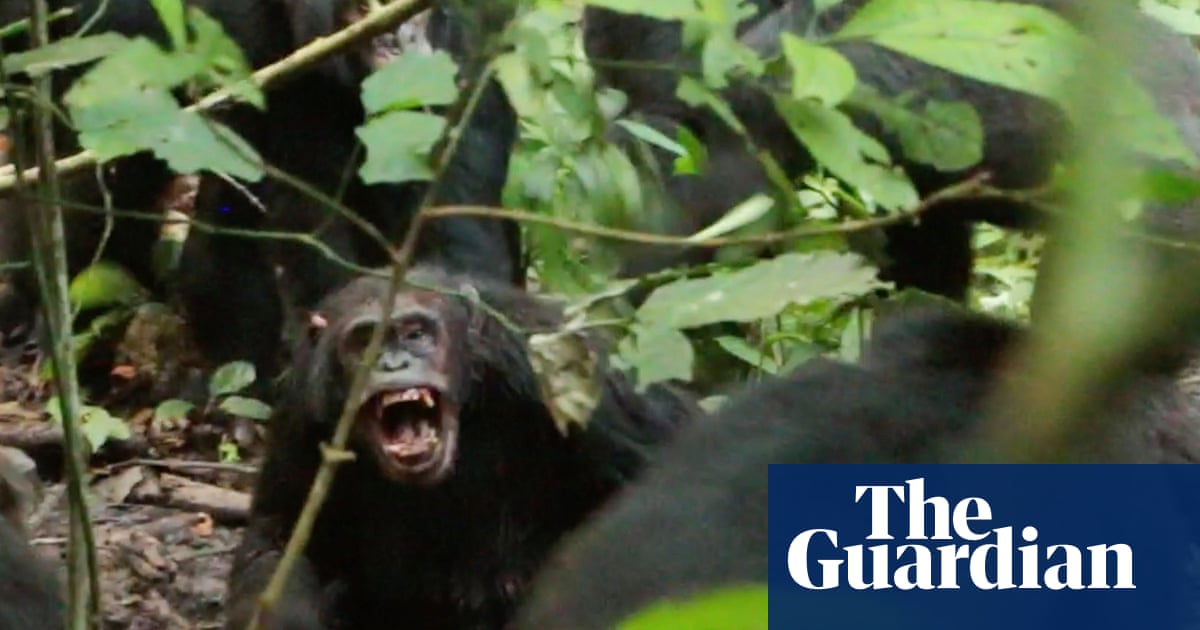
In June 2015, primatologist Aaron Sandel observed unusual behaviors among a group of ngogo chimpanzees in Uganda, marking the onset of a significant intra-group conflict similar to a "civil war." A new study published in Science documents this phenomenon, highlighting how a once-cohesive group fragmented into two distinct factions—Western and Central chimpanzees—over three years. This division resulted in coordinated attacks by the Western group, leading to the deaths of several individuals.
The researchers analyzed over 30 years of behavioral data, revealing that the social dynamics shifted due to the deaths of key elder chimpanzees, altering group identity and power relations. This change weakened social ties and set the stage for conflict. The study also suggests that human impacts, such as deforestation and disease, could increase the likelihood of such conflicts, which occur in chimpanzees approximately once every 500 years.
Experts emphasize that this documented case of aggression among closely related individuals showcases the vulnerability of social bonds and raises concerns for chimpanzee conservation as their habitats and social structures face significant threats.
