



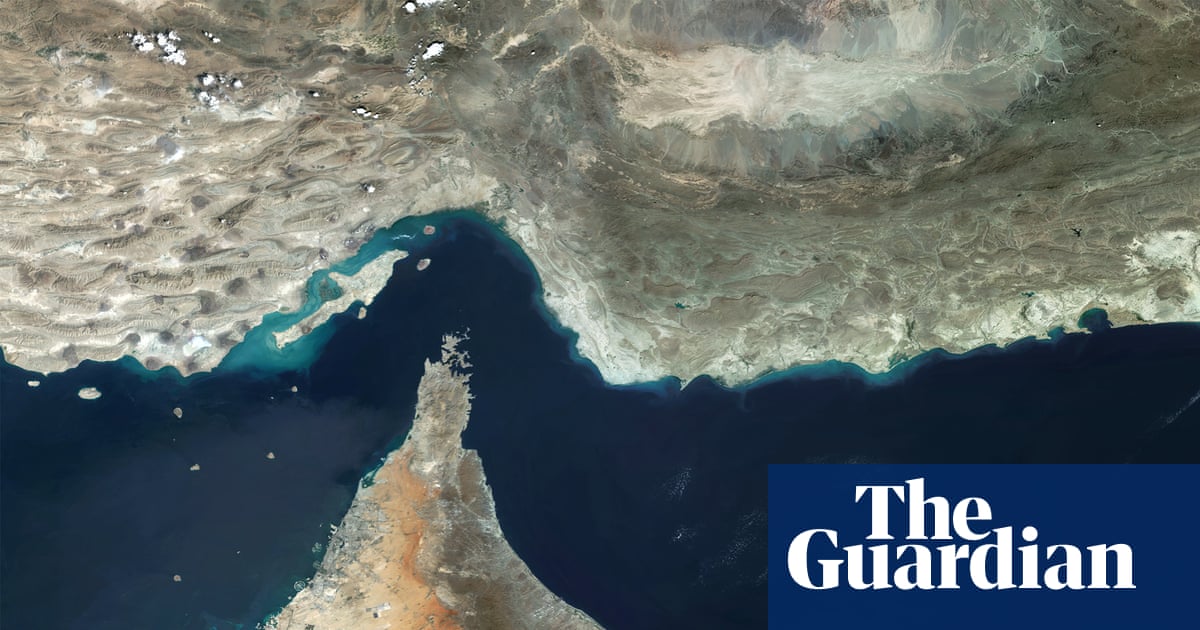
Since the US-Israel conflict with Iran began four weeks ago, shipping through the Strait of Hormuz has nearly halted, impacting global oil and gas supplies and leading to rising energy prices. The strait typically sees about one-fifth of the world’s oil and gas shipments and one-third of fertilizer, crucial for global food production. Before the conflict, an average of 138 ships traversed the strait daily, but now only a fraction are operating due to safety concerns from over 20 reported attacks on vessels in the region.
The first notable incident was the attack on the oil tanker Skylight, resulting in the deaths of its Indian crew. As of now, shipping analysts estimate that around 1,000 ships and their crews are anchored or in port, hesitant to risk travel through the contested waters. The International Maritime Organization has alerted that 20,000 seafarers are stranded under tense conditions with dwindling supplies.
Iran has proposed a “safe corridor” for “non-hostile vessels” through its waters, offering a potential route for ships willing to pay for passage. Some vessels have reportedly paid significant fees to cross, highlighting Iran’s control over traffic in the strait. However, analysts warn that this does not guarantee safety, as factions within the Revolutionary Guards might still pose threats.
Despite the significant risks, some vessels have begun to use alternative routes and managed to pass through the strait recently, although normal commercial shipping activity has yet to resume. International efforts to secure sea routes are ongoing, with over 30 countries working together to develop a strategy for reopening the waterways. The maritime insurance industry continues to provide coverage, albeit at elevated rates, reflecting the ongoing challenges shipowners face in ensuring the safety of their crews and vessels.
Source link
