



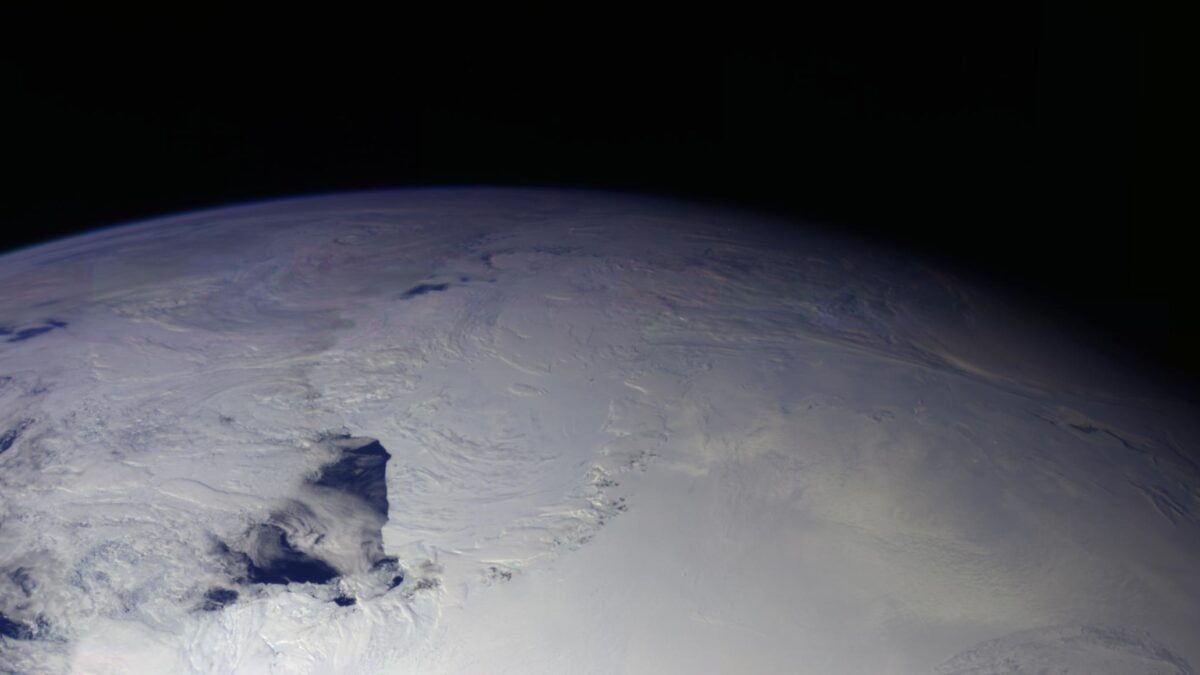
Scientists have identified "gravity holes" in Antarctica—areas where gravity is particularly weak—and are studying these anomalies due to the region’s escalating climate and geological threats. A recent study in Scientific Reports analyzed how the gravity hole became stronger between 50 million and 30 million years ago, coinciding with glaciation in Antarctica.
While gravity changes are subtle on a human scale, they significantly influence ocean dynamics, leading to lower-than-expected sea levels in low-gravity regions like Antarctica. Researchers used global earthquake data and seismic modeling to reconstruct the Earth’s interior structure, likening their work to a "CT scan" of the planet. They found that, historically, colder material sank into the mantle while warmer mantle rose, creating a mass deficit beneath the South Pole, which contributed to the gravity anomalies.
Understanding these gravity changes could provide insights into sea levels and climate patterns, aiding in the study of Antarctica’s geological history and the stability of its ice sheets, especially amidst current environmental challenges.
