



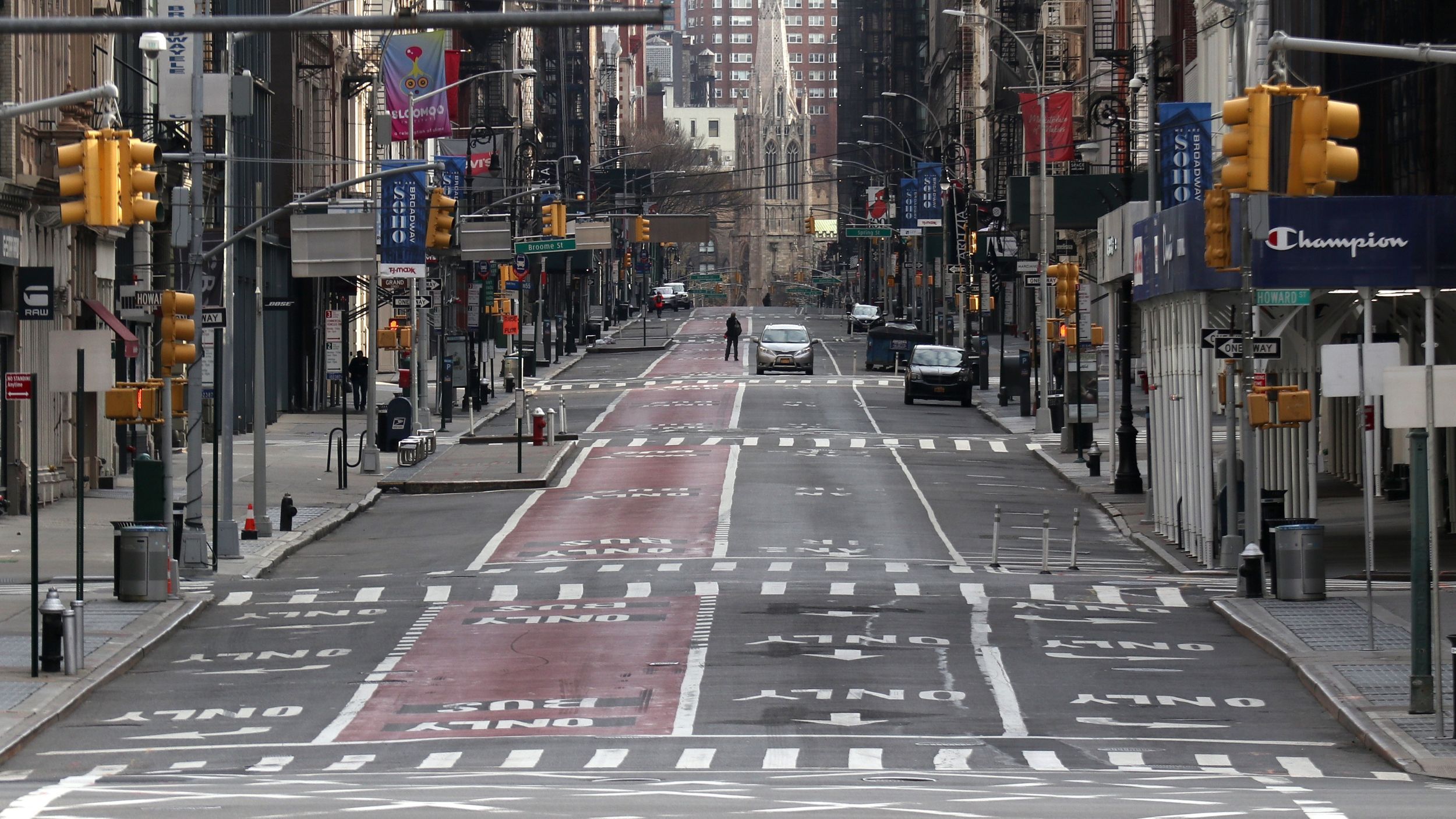
Methane is a potent greenhouse gas, with atmospheric concentrations rising significantly over the years. In 2020, there was a puzzling spike in methane levels, attributed primarily to reduced human emissions during the COVID-19 pandemic, which impeded the atmosphere’s ability to break down methane. This insight comes from a study published in Science, revealing that the reduction of nitrous oxide emissions, a byproduct of industrial activity, led to fewer hydroxyl (OH) radicals—key molecules responsible for cleaning the atmosphere.
The researchers analyzed satellite and ground station data, as well as modeling techniques, uncovering that about 83% of the 2020 methane spike resulted from this reduction in atmospheric cleansing. The remaining 20% was linked to increased biological emissions, particularly from regions like humid Africa, influenced by climatic events such as the La Niña phenomenon.
Despite the return to pre-pandemic methane levels by 2023, experts emphasize the need for urgent action against rising methane emissions, as the biological sources continue to show alarming increases. The study highlights the interconnectedness of human activity and natural processes in climate dynamics, underscoring the pressing need for transitions to cleaner fuels.
