



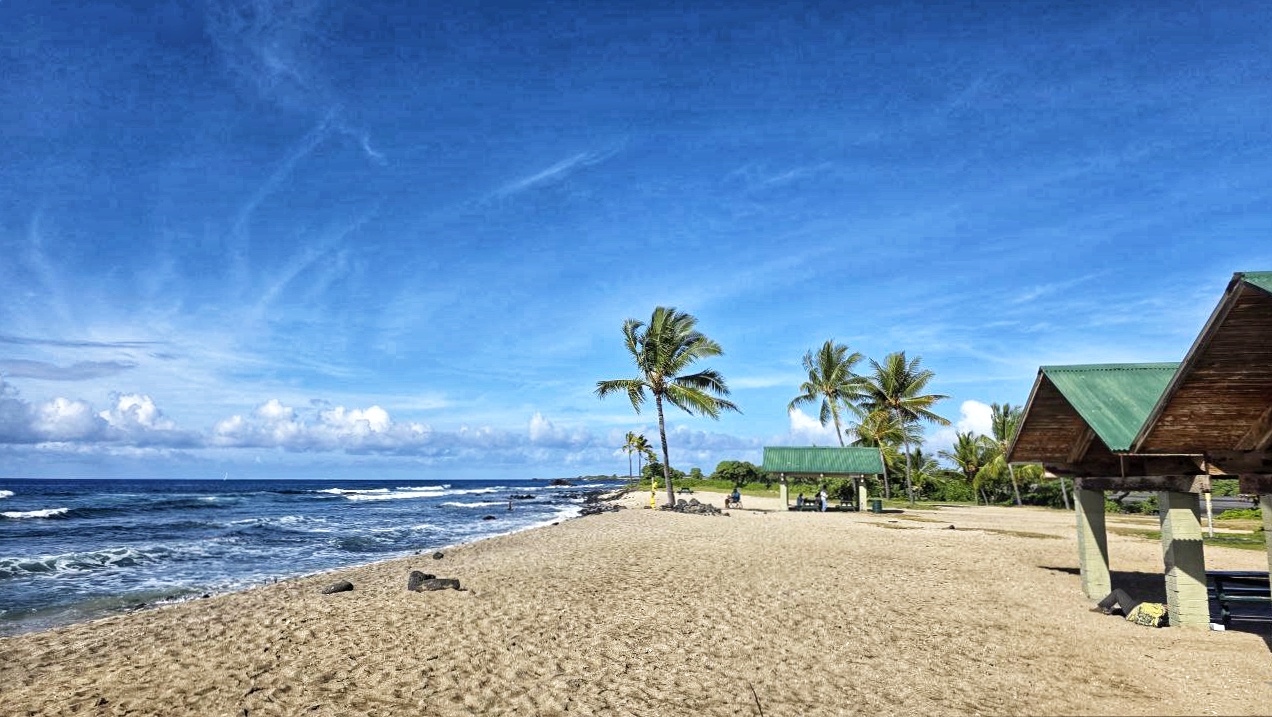
The state of Hawaii is allocating $7 million for restoration work at Waikiki Beach, marking a significant step toward addressing the decline of one of its most famous shorelines amid rising tourism numbers. Despite attracting nearly 10 million tourists annually, there is a stark contrast between high visitor spending and the deteriorating infrastructure and public facilities that residents and visitors experience.
A report from the University of Hawaii’s Economic Research Institute highlights that, after adjusting for inflation, tourism spending has not meaningfully recovered since it peaked decades ago. Consequently, the state’s economy is stagnant, drawing parallels to economically distressed regions like Appalachia and parts of the Rust Belt. While high prices suggest affluence, the underlying economic conditions reflect scarcity and low wages for workers, forcing many to hold multiple jobs.
Hawaii’s heavy reliance on tourism has stifled diversification and left the economy vulnerable to downturns, as seen during the Great Recession and the COVID-19 pandemic. Despite the influx of tourists, the benefits have failed to translate into improved living conditions or economic growth, raising concerns about the sustainability of Hawaii’s economy moving forward. The report calls for efforts toward long-term economic development and diversification, though the effectiveness of such initiatives remains uncertain.
Source link
