



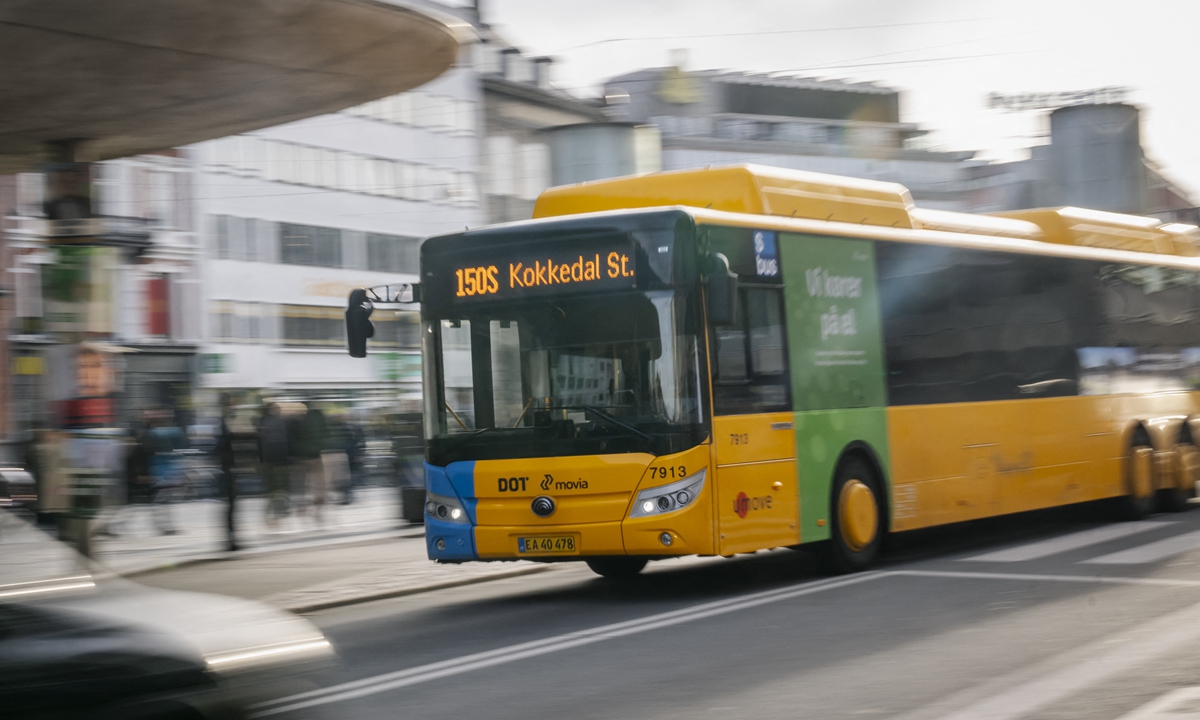
On October 31, 2025, Copenhagen launched a Chinese-made electric bus, highlighting a growing tension between the EU and China over clean technology. The EU’s climate chief, Wopke Hoekstra, urged EU nations to resist Chinese technological influence, criticizing the UK and Canada for recent efforts to engage with China, viewing these moves as detrimental to Europe’s climate goals.
Li Yong from the China WTO Study Group argued that such geopolitical framing of climate issues undermines global cooperation. He emphasized that countries should have the autonomy to make their own economic decisions without ideological interference. The EU plans to introduce a “Made in Europe” bill to counter China’s influence, having already implemented the Carbon Border Adjustment Mechanism (CBAM), which imposes carbon taxes on certain imports, including those from China. This measure has faced criticism from China for being unfair.
Concerns have arisen about the EU’s ability to meet its climate targets, with reports suggesting significant gaps between its industrial capacities and stated goals. Unlike the EU, the UK and Canada have been strengthening their ties with China, recognizing that cooperation may be essential for effective climate action. Overall, the article emphasizes the need for open collaboration globally to meet climate change challenges effectively.
Source link
