



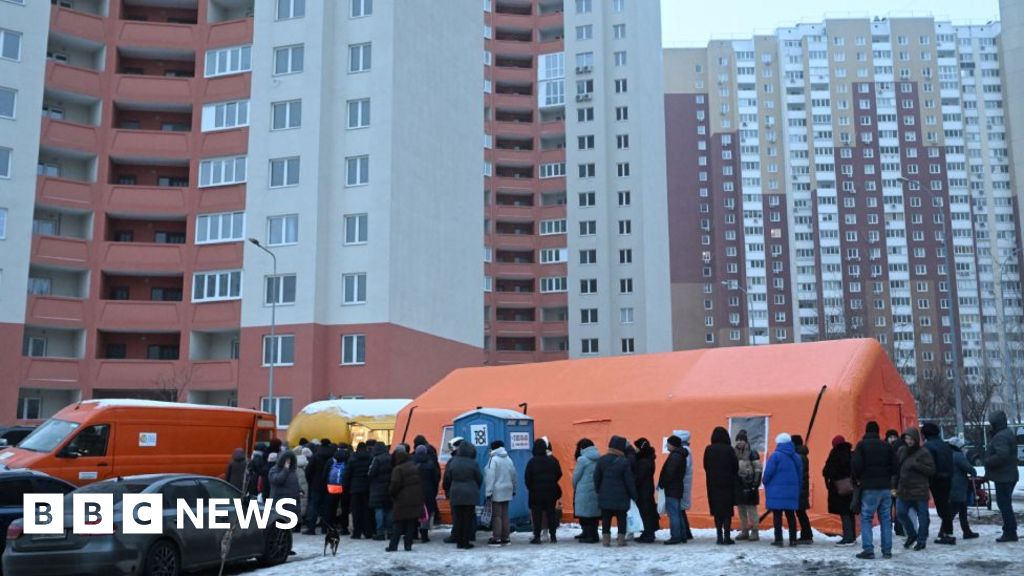
Ukraine is facing its harshest winter in decades, with January temperatures dropping below -15 degrees Celsius. Russian attacks on energy infrastructure have left approximately 1 million people without heat, particularly affecting the capital, Kiev. Following recent shelling on January 24, Mayor Vitaliy Klitschko reported that about 6,000 apartments lost heating. This marks the third such attack in just over two weeks, contributing to a dire situation where many residents struggle to maintain basic comforts.
Rita, a Kiev resident, describes the experience as a “gamble,” where the availability of heat, water, and electricity varies daily. Many apartment buildings rely on communal central heating systems, meaning the impact of targeted attacks can be widespread. Kyivteproenergo, the company responsible for heating in Kiev, states that a majority of homes depend on its services.
Before the full-scale Russian invasion in 2022, around 11 million Ukrainian households used central heating, a legacy of Soviet-era urban planning that prioritized communal heating systems. Energy expert Yuri Korolchuk notes that these systems were not designed to withstand missile attacks, highlighting their vulnerabilities. The ongoing attacks are viewed as a new tactic by Russia, complicating efforts to negotiate an end to the conflict.
In response to this critical vulnerability, the Ukrainian government plans to encourage apartment buildings to adopt individual heating systems. However, transforming the infrastructure established during decades of Soviet rule will be a significant challenge.
Source link
