



A recent UN report highlights the alarming state of the world’s water resources, indicating that many major rivers are drying up before reaching the ocean and over half of large lakes are shrinking. Groundwater sources are in irreversible decline due to excessive agricultural pumping, leading scientists to declare a new era of “global water bankruptcy.” Lead author Kaveh Madani emphasized the urgency of this issue, noting that many areas are overspending their water reserves, resulting in chronic shortages.
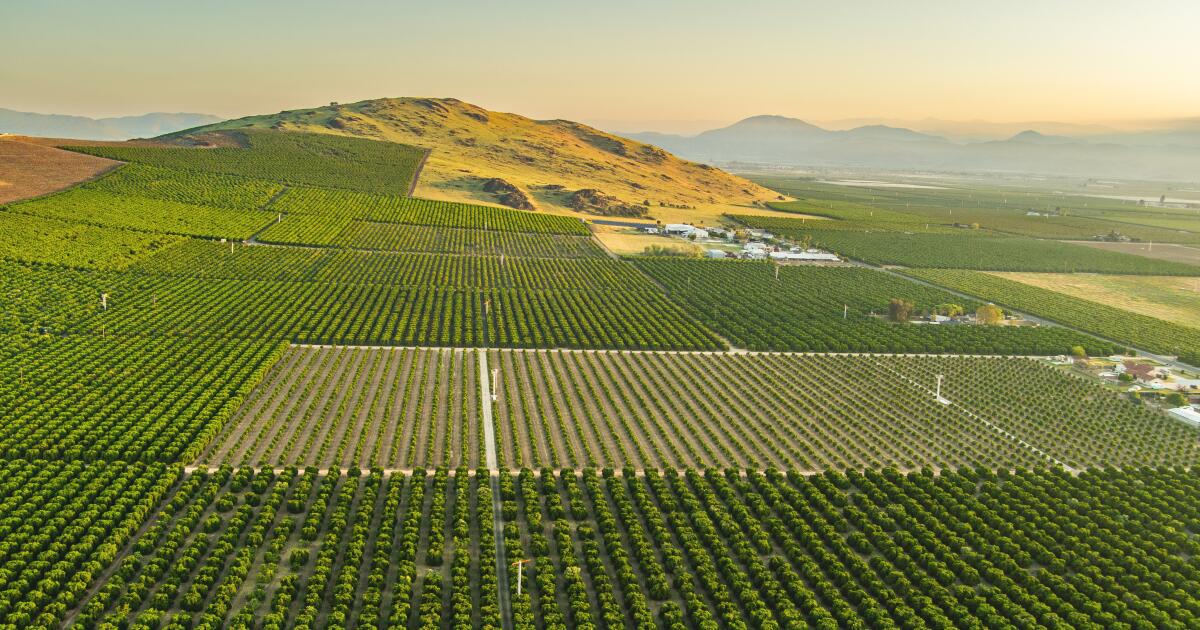
The report states that while “water crisis” suggests a temporary emergency, numerous regions have crossed critical thresholds and are now facing collapse. About 70% of the planet’s water is consumed by agriculture, which is jeopardizing food production for around 3 billion people living in water-scarce areas. Since the 1990s, over half of the world’s large lakes have diminished, and 35% of natural wetlands have vanished since the 1970s. Groundwater over-exploitation has led to land subsidence affecting roughly 5% of the world’s land area.
Madani warns that water supply failures affect all regions, emphasizing the need for better management of water resources, akin to financial practices during a crisis. The report also identifies the Colorado River as a prime example of over-promised water resources and mentions other areas like South Asia and the Middle East facing similar challenges.
The causes of water bankruptcy include deforestation, pollution, and climate change, which exacerbate droughts and flooding. As the UN Water Conference approaches, Madani calls for prioritizing the preservation of remaining water resources and implementing support systems for affected farmers.
With global water use rising significantly from 2000 to 2019, experts believe that framing the situation as “water bankruptcy” effectively communicates the urgency and seriousness of resource mismanagement, which jeopardizes future sustainability.
Source link
