



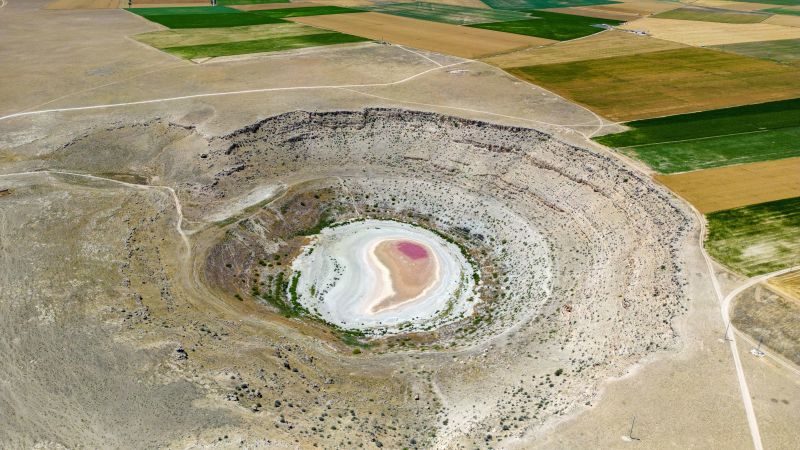
A new United Nations report declares that the world has entered an “era of global water bankruptcy,” signaling severe, irreversible consequences for water resources. Regions are facing critical water shortages, with Kabul potentially becoming the first modern city to run out of water. Mexico City is subsiding due to over-extraction of aquifers, and the Colorado River is at the center of ongoing disputes over dwindling supplies among southwestern U.S. states.
The term “water bankruptcy” captures the reality that water usage is exceeding natural replenishment rates, leading to shrinking lakes, drying wetlands, and depleting aquifers, exacerbated by climate change. Statistically, over 50% of the world’s large lakes have lost water since 1990, and 70% of major aquifers are in decline, impacting around 4 billion people who face yearly water scarcity.
According to Kaveh Madani, the report’s author, many regions are consuming water resources unsustainably, with urban expansion continuing despite limited supplies. The report highlights specific areas such as the Middle East, North Africa, and South Asia, which are particularly vulnerable.
To address these challenges, the report advocates for transforming agriculture, enhancing water monitoring, and reducing pollution. It emphasizes the need for long-term strategies rather than reactive approaches to manage water resources effectively. Experts express hope that acknowledging the reality of water insolvency will drive necessary actions to protect ecosystems and human populations.
Source link
