



The 2003 marine heatwave around Greenland has had long-lasting effects on the North Atlantic ecosystem, leading to an ongoing increase in the frequency of marine heatwaves (MHWs). A review by marine biologists from Germany and Norway of over 100 studies highlighted substantial ecological changes across various levels of the marine environment, affecting everything from single-celled organisms to commercially important fish and whales.
Marine ecologist Karl-Michael Werner noted that the 2003 event marked the beginning of an unprecedented warming period in the North Atlantic. The heatwave resulted from weak subpolar circulation, allowing warm subtropical waters to flow into the Norwegian Sea while the typical cooling Arctic waters were diminished. This change has led to reduced sea ice, higher sea surface temperatures, and significant ecological shifts.
Cold-water species are declining, while those thriving in warmer waters are expanding into new niches. For instance, baleen whales have increased in number, while populations of cold-adapted species like narwhals and staghorn seals have sharply declined. The heatwaves have also affected food dynamics, with opportunistic predators like Atlantic cod benefiting from changes in available food sources.
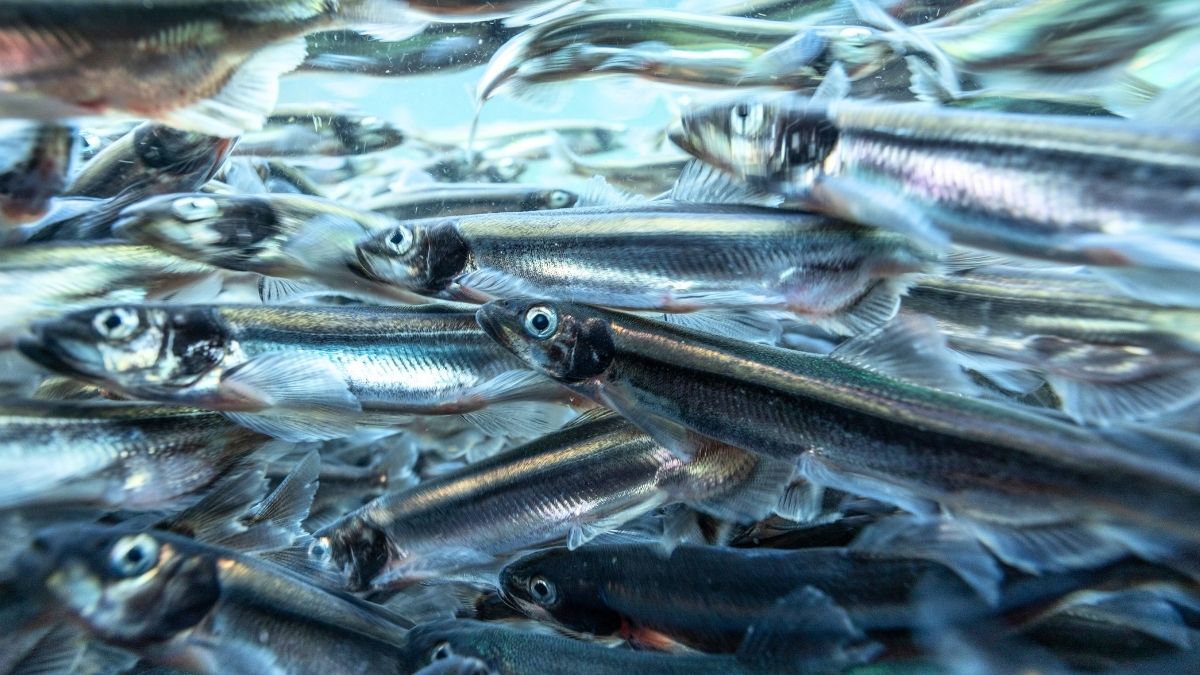
The study emphasized 2003 as a ‘tipping point’ for the North Atlantic ecosystem, coinciding with declines in important prey species such as sandeels and capelin, which are crucial for larger fish and marine mammals. Continued warming poses risks to these species, potentially disrupting the balance of the ecosystem.
The researchers linked the intensity and frequency of MHWs to human-induced climate change, primarily from fossil fuel emissions, which contribute to ocean warming and further complicate ecological dynamics. They highlighted the need for better understanding of the processes driving MHWs to predict and mitigate their cascading effects on marine ecosystems. The findings were published in Science Advances.
