



In Kyiv, power outages are currently lasting up to 20 hours daily due to Russian strikes on thermal power plants, leaving many buildings unheated in severe cold conditions (temperatures dropping as low as -20°C). Attacks have targeted energy networks in key cities, yet Ukraine has maintained essential services such as public transport and supermarkets.
Despite the ongoing assaults, local infrastructure has proven resilient. Kyiv’s heat and power plants remain operational at reduced capacity, and air defense systems successfully intercept a significant percentage of incoming missiles and drones. Innovative solutions include the establishment of mini-combined heat and power plants and individual adaptations by residents, such as upgrading Soviet-era buildings for better energy efficiency through associations that manage and fund renovations.
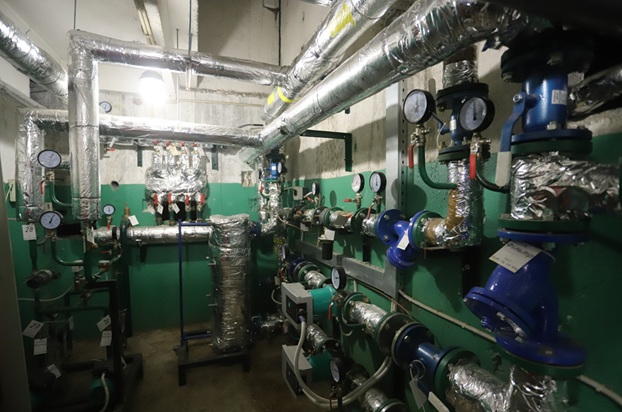
One prominent example involves the improvements made by Valery Pindyk’s residents’ association in a Kyiv apartment building. Upgrades included new heating units, better insulation, and the installation of solar panels and batteries, helping maintain comfortable indoor temperatures even during outages.
Moreover, Ukrainians have adapted their lifestyles to manage prolonged blackouts by utilizing alternative energy sources, such as large battery systems and charging stations. Changes in food storage and consumption patterns have also emerged, reflecting a shift towards long-lasting items and immediate preparation to cope with the challenges posed by ongoing power disruptions.
Source link
