



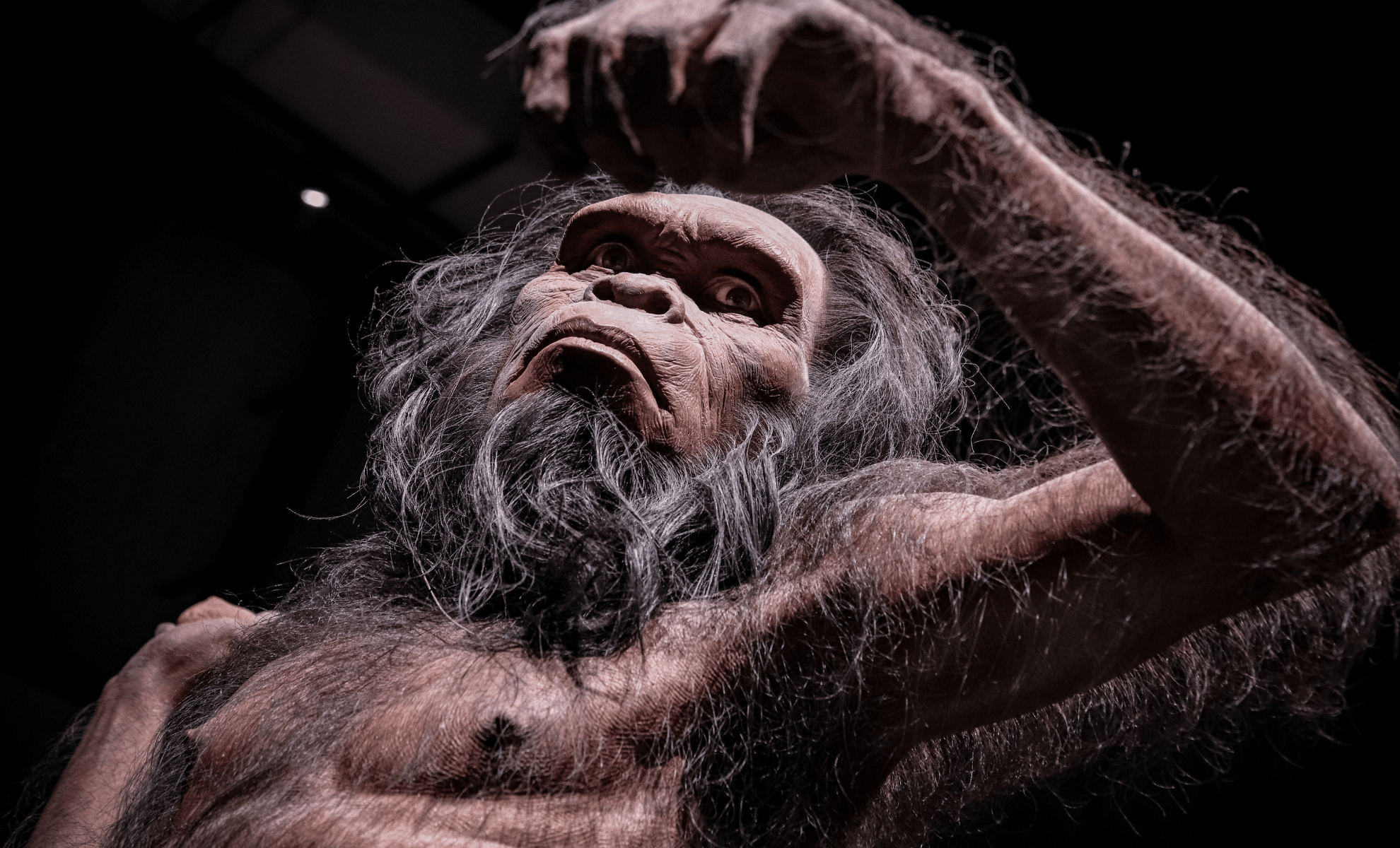
Humans are distinct among primates for their smooth, nearly hairless skin, a trait that has puzzled evolutionary biologists. New genetic research has begun to unveil the mystery behind this characteristic. A study comparing the genomes of 62 mammals found that humans retain all the genes necessary for hair, but the regulatory elements that activate these genes have evolved differently. This silencing of fur-related genes may explain our unique evolutionary path.
Led by researchers including Dr. Nathan Clark, the team conducted a novel genomic analysis indicating that hair loss in various mammals, like dolphins and humans, is a result of convergent evolution, where unrelated species develop similar traits in response to similar challenges.
Their findings, published in eLife, reveal hundreds of new hair-related regulatory elements vital for hair formation and growth, suggesting that while humans share a genetic toolkit for producing hair, much of it has been disabled. This could be linked to evolutionary pressures such as temperature regulation and parasite control.
The research highlights how convergent evolution connects different species with similar traits and shows that specific gene regions in hairless mammals accumulate mutations quickly, revealing underlying genetic mechanisms.
These insights not only reshape our understanding of human evolution but also offer potential implications for advancements in medicine and gene therapy.
Source link
