



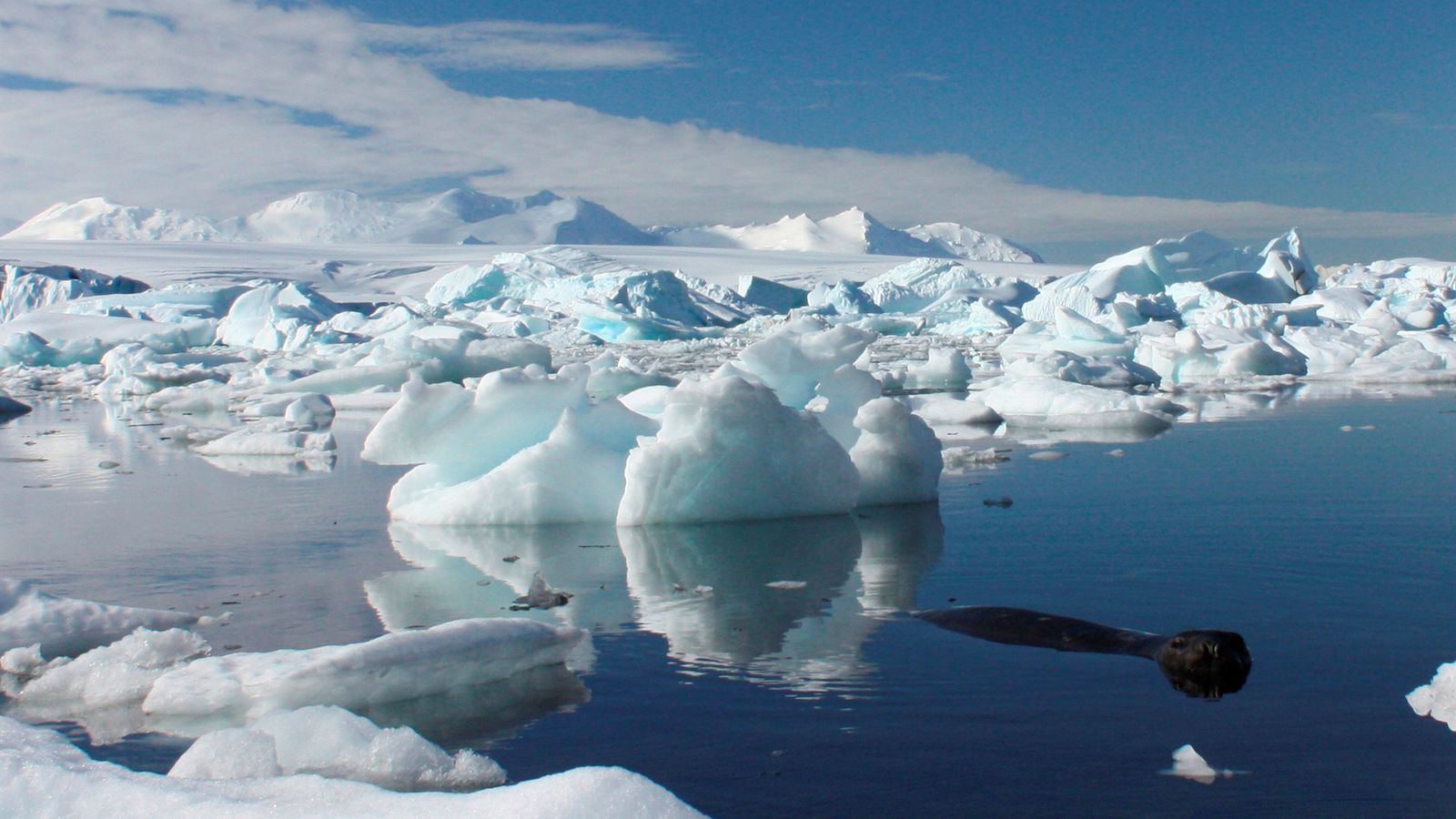
The article explores the unique underwater ecosystems around Rothera Research Station in Antarctica, highlighting the extreme cold (−1°C) and the rich biodiversity facilitated by polar gigantism, where marine species grow larger in cold waters. Marine biologist Patti Glaz and her team from the British Antarctic Survey (BAS) study these ecosystems, noting that species in these frigid conditions have slow growth and reproduction rates, making them vulnerable to climate change.
Professor Lloyd Peck emphasizes the importance of long-term studies, as rising temperatures could disrupt the delicate timing of biological cycles, potentially leading to extinctions. They have been analyzing the same underwater sites for nearly 30 years, revealing that the Antarctic waters have warmed nearly 1°C since the research began.
Divers face challenges, including safety from predators like leopard seals. Their studies aim to understand the cellular and molecular adaptations of these organisms, particularly how proteins behave in cold environments, which could have implications for medical science.
Despite the warming, there are signs of hope, such as a recovering population of humpback whales, which had been absent for thousands of years. The article underscores the urgency of studying these ecosystems to understand their responses to climate change and their role in the geological history of Antarctica.
Source link
