



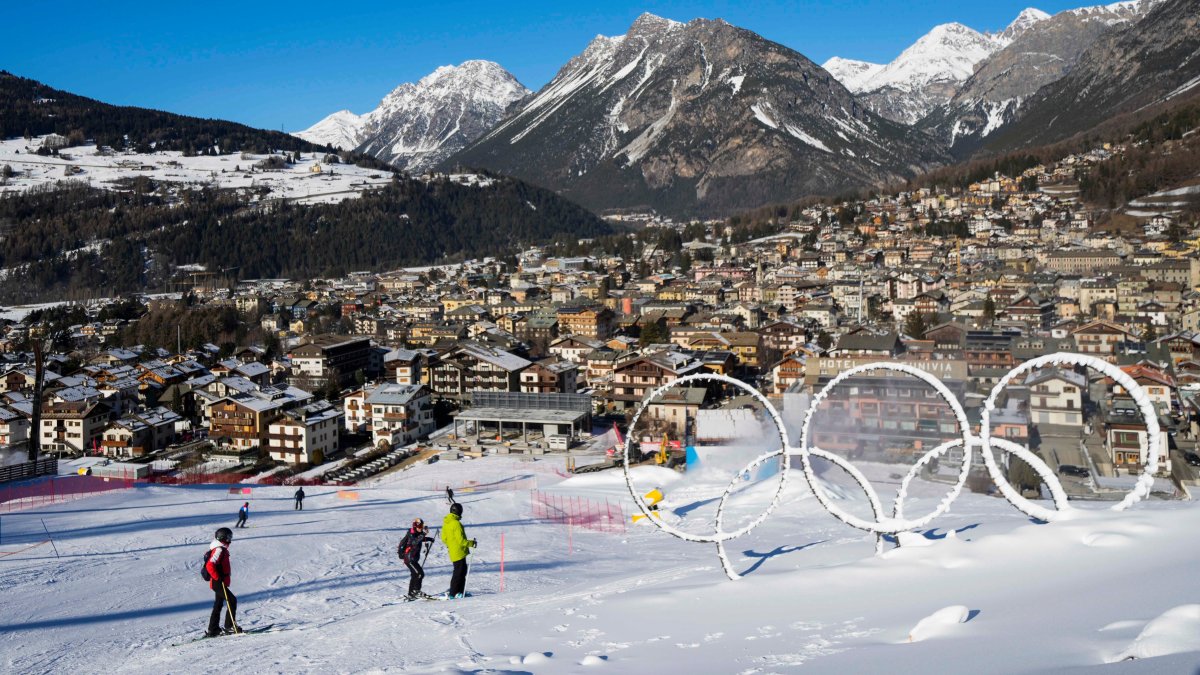
Belgian biathlete Maja Kroetens reflects on the impact of climate change on winter sports as she trains for the upcoming Olympic Games in Milan and Cortina, Italy. She notes that the once snowy Grenoble, host of the 1968 Winter Olympics, has experienced significant climate changes, with shorter winters and less snowfall over the past 15 years.
Research indicates that only 52 of the 93 current mountain regions with winter sports infrastructure will still be viable for the Winter Olympics by the 2050s due to rising temperatures. This number could dwindle to just 30 by the 2080s, necessitating changes in the scheduling of the events. The Paralympic Winter Games face even greater challenges, with potential solutions including shifting the games earlier in the season.
Snowmaking technology, originally introduced in 1980, is now crucial, particularly in venues like Beijing, which relied heavily on artificial snow. However, modern snowmaking has limits and is energy-intensive. For the 2026 Olympics, it is estimated that around 250 million gallons of water will be needed for snow production.
As global temperatures rise, the International Olympic Committee (IOC) is prioritizing environmentally conscious practices and may need to limit the size of future events. The IOC plans to host the 2030 Olympics in the French Alps and the 2034 Olympics in Salt Lake City, emphasizing venues with existing infrastructure and high environmental standards. Organizers are committed to creating a sustainable model for the future of winter sports, acknowledging their role in climate change.
Source link
