



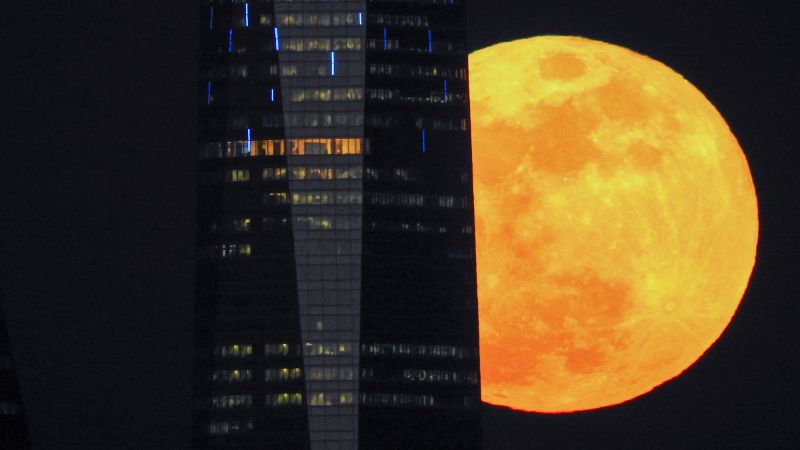
The Wolf Moon, the first full moon of 2026, will be prominently visible this weekend, reaching its peak brightness at 5:03 a.m. ET on January 3. While it will enhance the night sky, its brightness may hinder visibility of the Quadrantid meteor shower, which peaks from 4 to 7 p.m. ET on the same day. Best viewing for the meteors will be late at night into early Sunday morning.
Named for the increase in wolf howling during this time, the Wolf Moon is the first supermoon of the year, being closer to Earth and appearing larger. NASA encourages sky observers to enjoy the view without special equipment and suggests checking local conditions for optimal viewing.
The article also highlights NASA’s upcoming Artemis II mission, which aims to send astronauts around the moon in February. Various meteor showers, including the Lyrids and Perseids, will occur throughout 2026, offering additional stargazing opportunities.
A complete list of future meteor showers and upcoming full moon names for 2026 is provided, emphasizing the cultural significance of the moon’s names.
Source link
