



In 2025, significant advancements in our understanding of Earth emerged, revealing insights into its ancient history and geological processes. Key findings include:
-
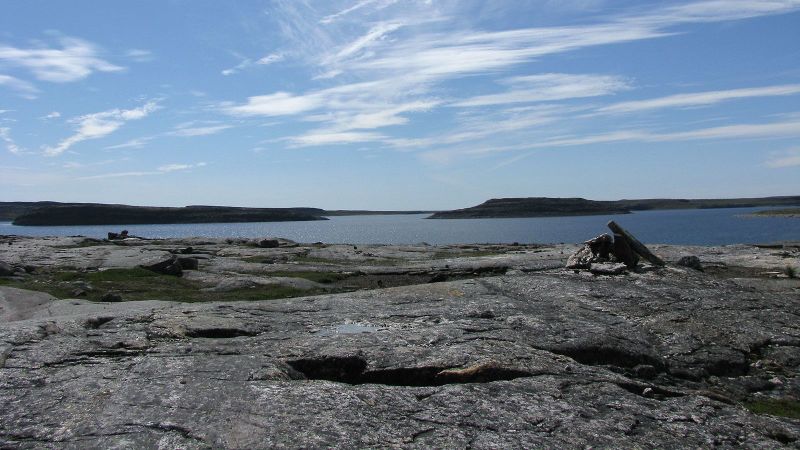
Oldest Rocks: Researchers identified the Nuvvuagittuq rock formation in Quebec, dating back 4.16 billion years, potentially indicating the presence of early life during the Hadean period, though its acceptance as the oldest known rock remains debated.
-
Microlightning and Life’s Origins: Studies linked microlightning, created when electrically charged bubbles interact with methane, to the chemical formation of life’s building blocks over three billion years ago.
-
Magnetic North Movement: The Global Magnetic Model was updated, reflecting the accelerated and then slowed movement of the Magnetic North Pole, which has implications for navigation systems.
-
Deep Ocean Ecosystems: An expedition uncovered a previously unrecorded ecosystem in the hadal zone, where organisms utilize methane instead of sunlight, expanding our understanding of life in extreme conditions.
-
Hidden Supercontinent: Evidence suggests ancient tectonic structures hidden in the mantle challenge previous notions about its uniformity and provide context for geological activity.
- Earth’s Core Dynamics: Recent studies indicated a reversal in the rotation of Earth’s inner core and identified deformation in its layers, alongside findings of gold potentially escaping to the surface.
These discoveries deepen our comprehension of Earth’s complex history and dynamic systems, highlighting ongoing scientific exploration.
