



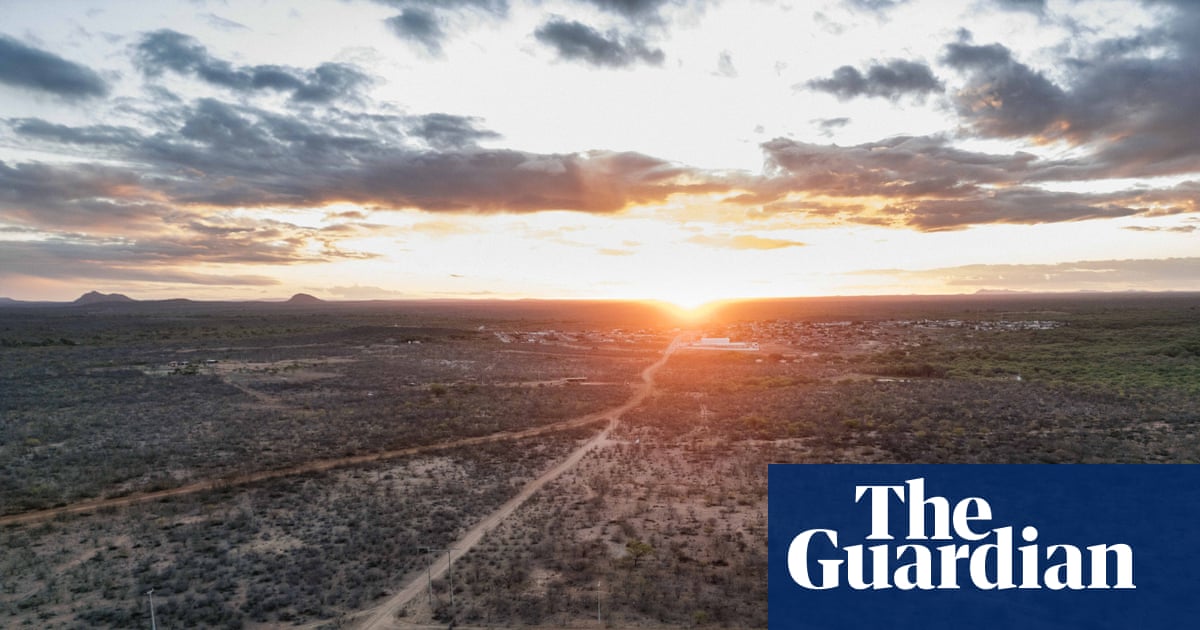
At dawn on Tuesday, Lerdon Splicio Maia heads to the market in Makurure, Bahia, Brazil, to sell his goats, the main source of income for the impoverished community. However, the ongoing dry season is causing native vegetation to die off, making it increasingly difficult to sustain their livestock. Climate change has led to a newly classified arid region in northeastern Brazil, affecting the local economy and agriculture.
Researchers report a significant decrease in rainfall over the last 30 years, with decreasing vegetation threatening desertification. Maia and other residents, accustomed to enduring droughts, now face emaciated goats and failing crops, with many farmers unable to plant any viable crops.
In nearby Cural da Pedra Quilombo, residents share similar stories of dwindling harvests. Traditional solutions like wells and engineered water reservoirs are being strained under harsher weather conditions. Though some precautions, such as rainwater harvesting systems, are being implemented, challenges remain as water reserves deplete rapidly.
The town’s population has declined, with young people leaving for work opportunities elsewhere. Experts indicate that the semiarid region in Brazil is expanding, posing risks not only to the Northeast but also to the entire country. Public policies remain largely focused on the Amazon at the expense of the Caatinga biome, which is vital yet overlooked.
Local officials and residents are meeting to discuss possible solutions, including alternative income sources like ecotourism. However, many depend on goat farming for survival. With the climate irrevocably changed, the community grapples with an uncertain future, relying on goats for their livelihood while facing the harsh realities of a changing environment.
Source link
