



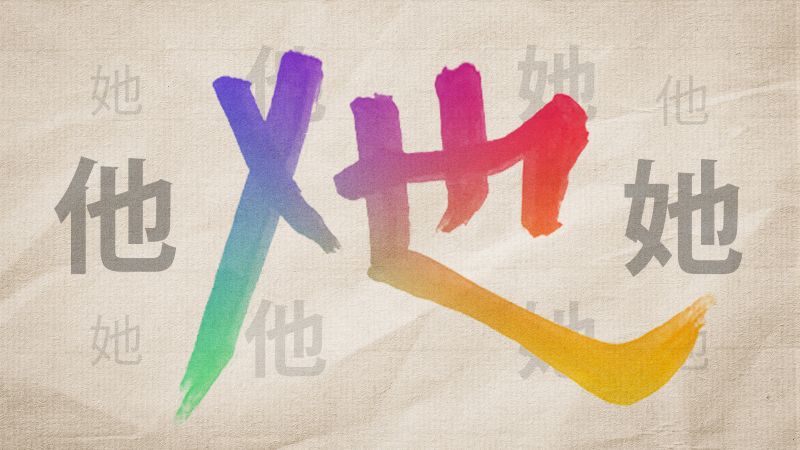
In Hong Kong, non-binary activist Siufung Lo faced challenges with English pronouns, as Chinese traditionally uses masculine and feminine pronouns. In 2017, Lo discovered an unofficial pronoun created by the intersex and non-binary community, resembling an existing Chinese character but modified to include an “X,” representing a third pronoun option, often used in IDs abroad.
Despite its existence for nearly a decade, this pronoun struggled for recognition, largely due to its absence from keyboards and the complexities of typing it. However, the recent addition of this pronoun to Unicode marks a significant step toward broader acceptance, particularly in conservative environments like China, where LGBTQ+ rights are severely restricted.
Historically, Chinese did not have gendered pronouns; this binary structure emerged in the early 20th century alongside gender movements. Lo and others note the importance of a distinct pronoun to avoid binary categorization. While alternatives like “TA” (in uppercase English) are more common, many prefer using the newly recognized character for its cultural significance.
Activity around Unicode’s inclusion of this character highlights the need for acceptance amid ongoing discrimination in Hong Kong and mainland China, where LGBTQ+ rights are under threat. The community sees this as not just a personal affirmation but also a potential catalyst for broader discussions about gender language and representation. The existence of such options validates individual identities and signals a shift toward greater recognition and inclusivity.
Source link
