



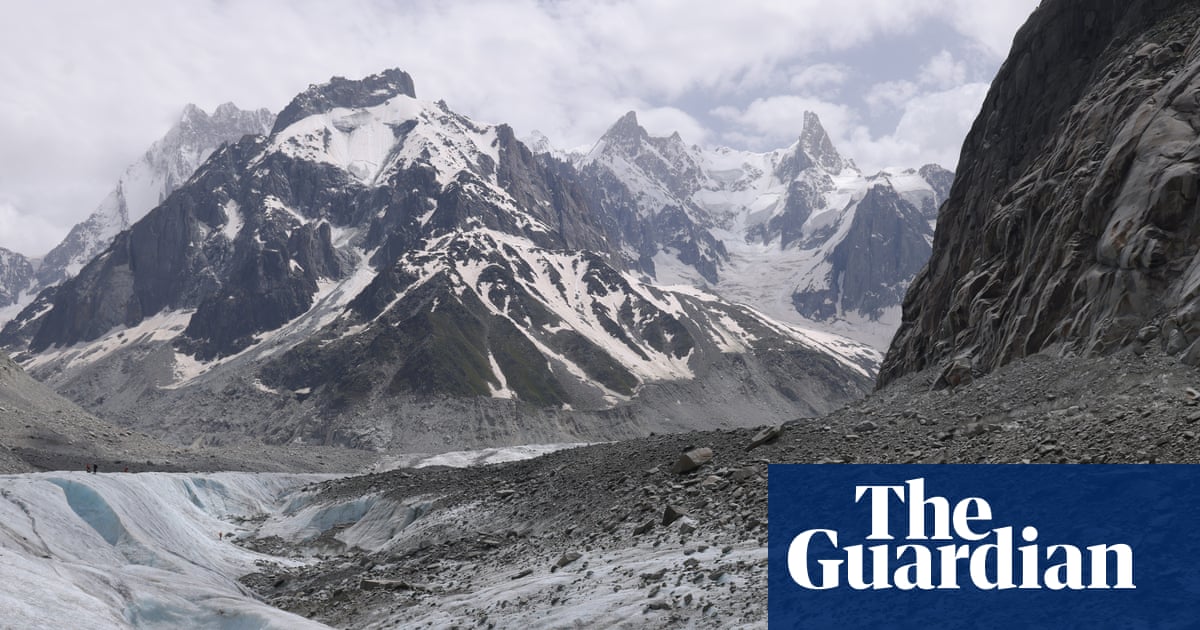
Glaciers in the European Alps and parts of North America are facing drastic declines, with projections showing that over 100 glaciers in the Alps could permanently melt by 2033, and more than 800 are expected to disappear each year in the western U.S. and Canada by 2033. These changes are driven by human-induced climate change, contributing to global warming.
Currently, around 200,000 glaciers exist, with about 750 melting annually. Without substantial reductions in carbon emissions, glacier loss could peak at approximately 3,000 per year by 2040. In contrast, limiting temperature rise to 1.5 degrees Celsius could reduce annual losses to around 2,000.
The study underscores not only the environmental implications of glacier loss, such as rising sea levels but also the socio-cultural impacts, as many glaciers hold spiritual significance for local communities. Researchers analyzed over 200,000 glaciers using satellite data, finding that smaller glaciers are particularly vulnerable.
The study emphasizes the need for adaptation strategies for the 2 billion people who rely on glacial water sources, suggesting measures like alternative agriculture and tourism strategies. It highlights how current climate decisions have significant and lasting effects on ecosystems, cultural heritage, and local communities.
Source link
