



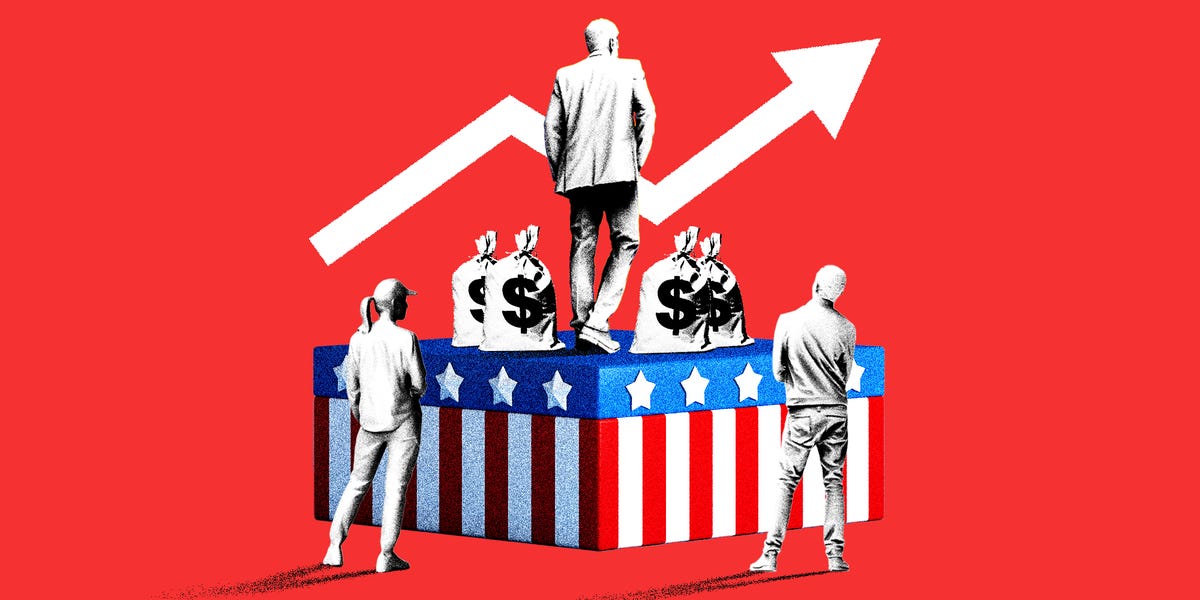
The article discusses the evolution of intermediaries in the economy, highlighting Bill Gates’ 1995 prediction that the Internet would eliminate them. Instead, the Internet has led to a rise in powerful intermediaries like Amazon, Uber, and DoorDash, which now control significant market access and pricing. These intermediaries, while providing essential services, have gained substantial bargaining power, often leading to a lack of transparency regarding their fees and influence on prices.
As supply chains grow more complex, both consumers and suppliers rely on intermediaries for convenience. However, this reliance means they often feel squeezed, with neither side fully aware of how much intermediaries take from each transaction. The article suggests that while intermediaries are necessary, increased transparency, regulatory oversight, and competition could help mitigate their excessive power and resultant price hikes. The article concludes with a call for a more balanced approach that allows for competition among intermediaries, benefiting both consumers and producers.
Source link
