



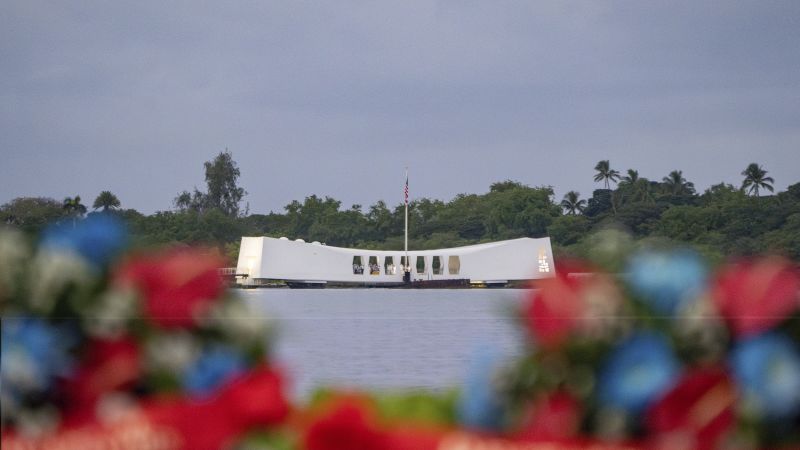
The annual memorial service for Pearl Harbor, marking the Japanese attack on December 7, 1941, is facing a poignant change: only 12 survivors remain, all over 100 years old, and none can attend this year’s ceremony. This marks the first time the event will occur without survivors present to share their firsthand accounts of the tragedy, which killed over 2,300 service members and spurred the U.S. into World War II.
Past ceremonies included moments of silence, military flyovers, and wreath-laying tributes by survivors, who have historically participated every year, barring a public health closure in 2020. The dwindling number of survivors means that the historical narratives are increasingly being passed down through their descendants and public remembrance efforts.
Harry Chandler, one of the last survivors, recounted his experiences during the attack, emphasizing the need for military preparedness. Historian and former National Park Service Pearl Harbor historian Daniel Martinez has documented oral histories to preserve these accounts for future generations. The Pearl Harbor Museum and the Library of Congress are collecting and displaying these artifacts and interviews to ensure the memories of that fateful day remain alive.
As the legacy of Pearl Harbor shifts from survivor testimonies to the stories of their families, groups dedicated to remembering the event are planning to keep the memory and lessons of Pearl Harbor alive for future generations.
Source link
