



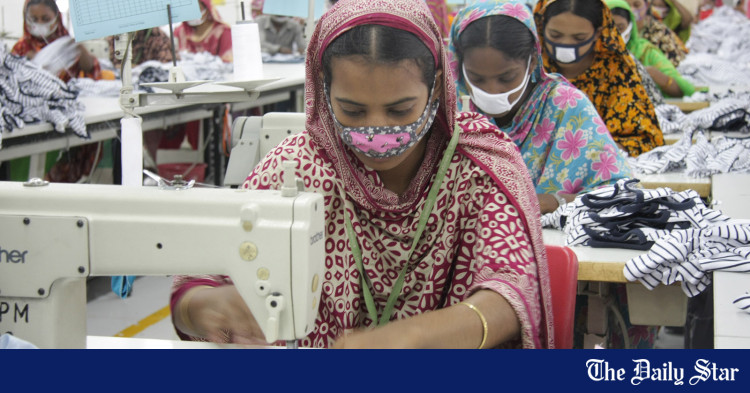
The article discusses the impact of climate change on garment production in Bangladesh, based on a study presented at a BIDS Conference. Rising temperatures are decreasing worker productivity, which poses barriers to social upgrades in factories. The study highlights the growing influx of climate change refugees into the garment sector, potentially lowering wages and increasing socio-economic vulnerabilities and gender-based violence.
The global clothing industry is a significant emitter of greenhouse gases, contributing 2% to 7% of total emissions, primarily from fossil fuel use in production processes. Although Bangladesh aims for 30% of its electricity to come from renewable sources by 2041, progress is slow. Current energy dependence on the national grid necessitates greener solutions to benefit the industry.
A separate study revealed that unionized garment workers earn 19% to 22% more than their non-unionized counterparts, largely due to better compliance and formal structures. Unionization affects wage levels positively across the manufacturing sector, with higher wages observed in the RMG industry.
Finally, advancements in technology have driven productivity growth in the garment sector, with the fastest growth rates seen in specific categories like jackets and knitted lingerie. The discussions highlighted the need for better financing, clean technologies, and adherence to environmental policies for the sector’s improvement.
Source link
